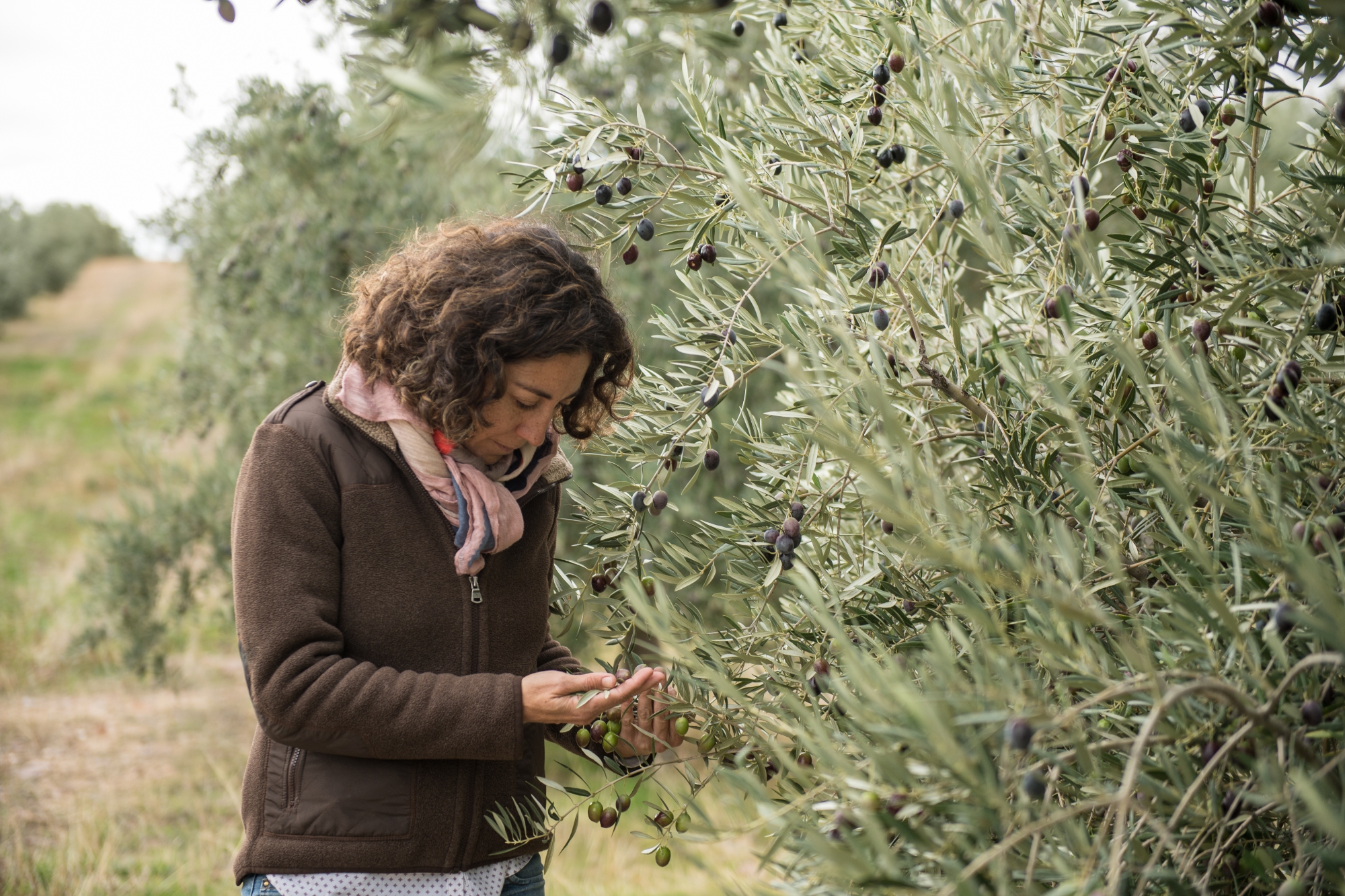
Published March 2026
The deception of farmers
We farmers have been deceived. Or maybe, we allowed ourselves to be.
We believed that a farm could work like a factory. That trees are machines powered by energy and inputs sold to us. That we could produce an exact number of identical pieces at a fixed cost.
Thanks to chemicals, we’ve managed to multiply yields per hectare and reduce short-term production costs. We’ve played along with a system that encourages overproduction to keep food prices low, regardless of waste. We even accepted that if the fruit or vegetable we grow doesn’t meet a specific aesthetic standard, it has no commercial value. We’ve turned the soil of our farms into dead land whose only role is to hold trees upright.
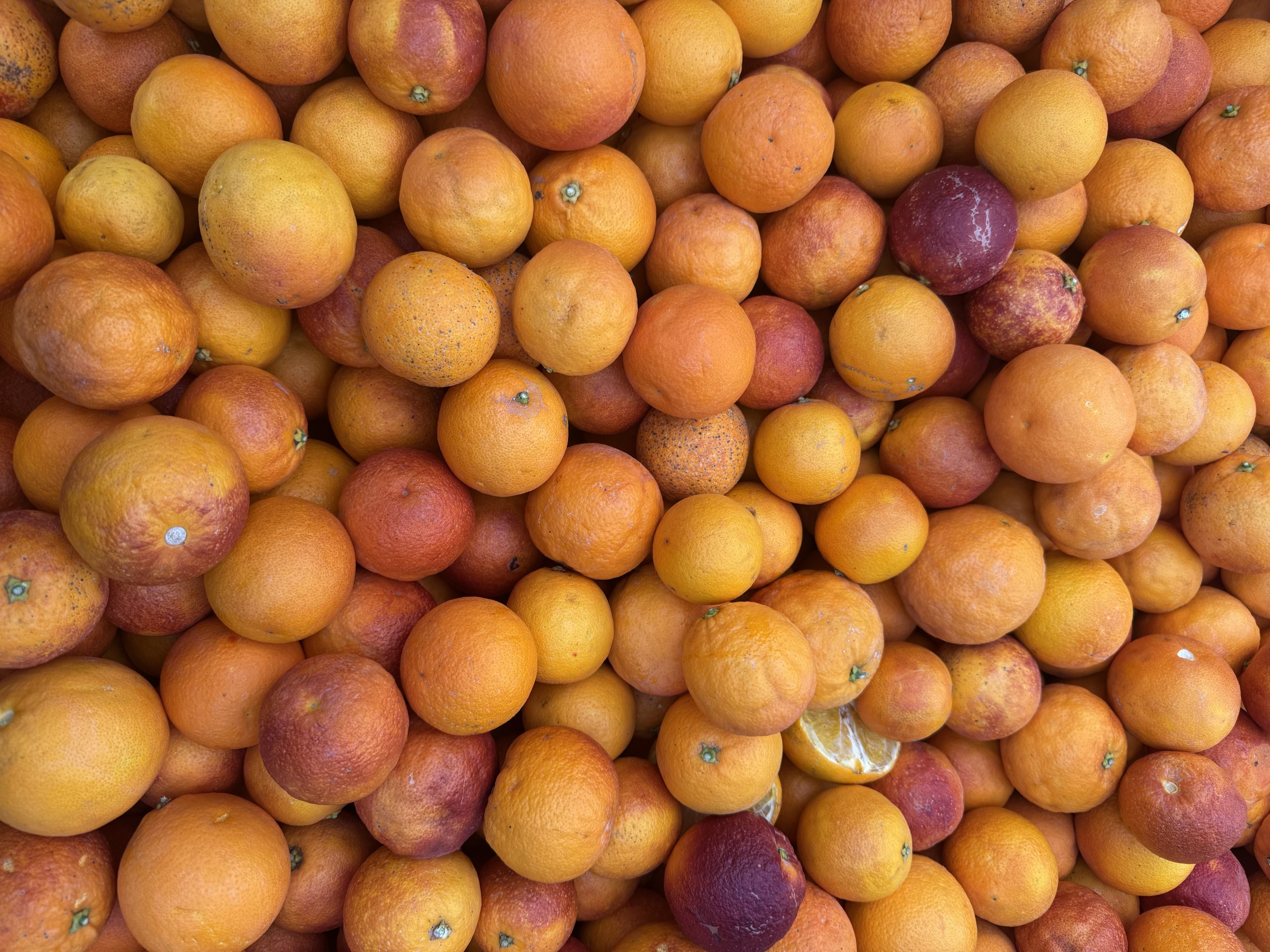
In my 15 years of meeting farmers, I’ve never come across one who was paid more for an orange, a mango, or a tomato because it had higher nutritional value or was better for people’s health. The ones who received better prices were those who managed to make all their fruits or vegetables look the same size, with perfectly smooth skin.
We’ve been deceived — or at least, we were wrong. We thought this race to produce more and more with chemicals would have no consequences. But it does. It has consequences for the health of our soils, and for the health of the food we grow.
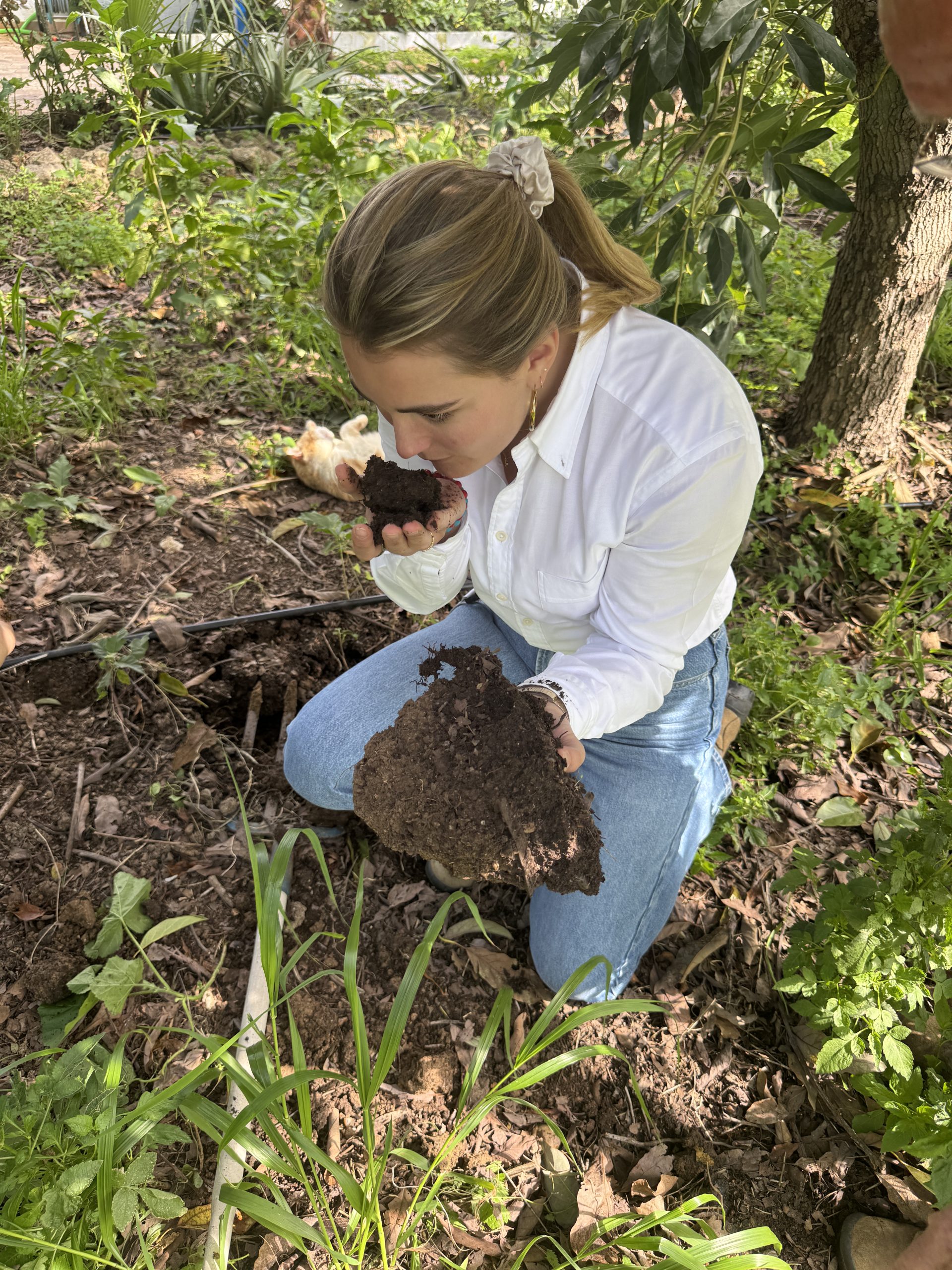
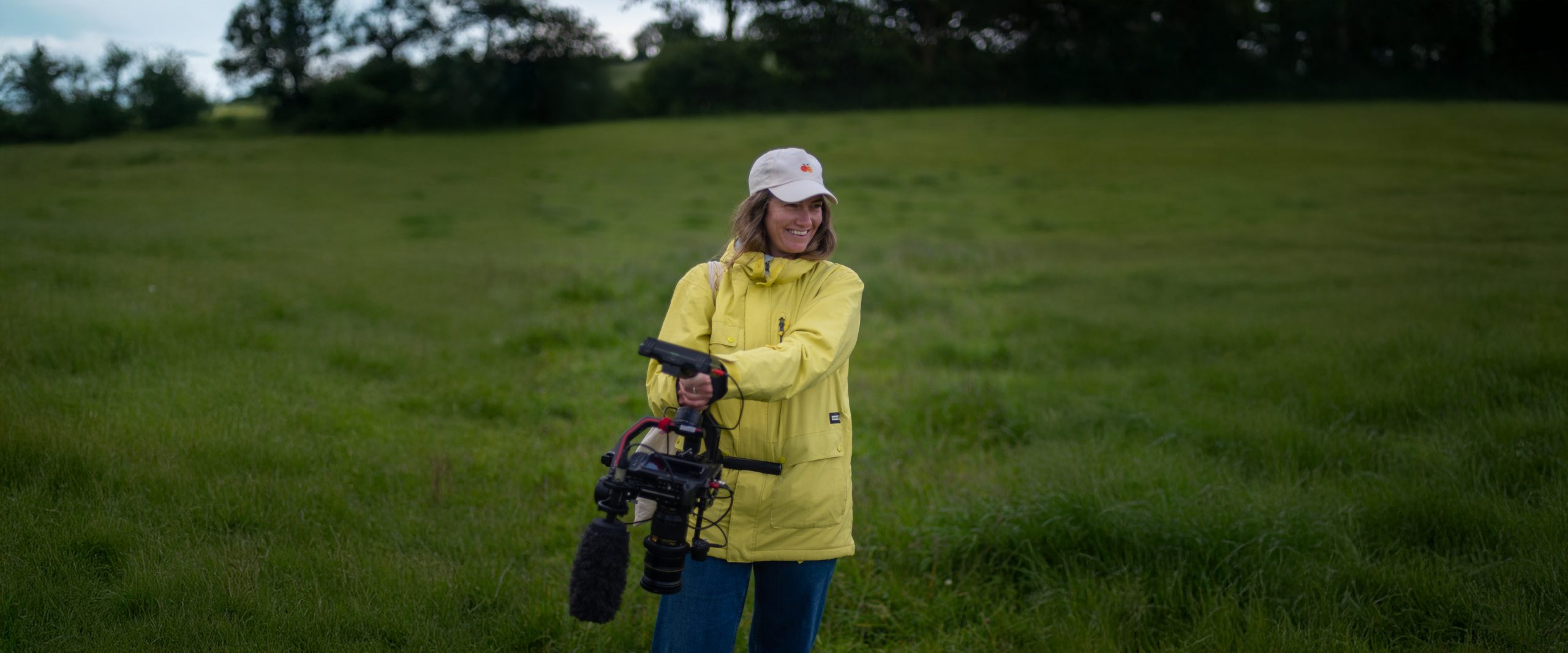
So now, what do we do? How do we bring fertility back to dead soils and grow more nutritious food? We explain it in this video.
Spoiler: there is no perfect formula. This isn’t a change you can see overnight.
Regenerative organic agriculture is a paradigm shift — one that requires change from farmers, and awareness from consumers.
Written by Gonzalo Úrculo

Gonzalo es un "farmeneur". Como cofundador de CrowdFarming y agricultor, divide su tiempo entre la oficina y el campo. Además de la agricultura, disfruta leyendo y escribiendo sobre productos digitales y logística y discutiendo sobre su impacto en la cadena de suministro de alimentos.
Keep digging ...