Looking for more? 

We’re just an email away.

Field Notes

min

Published March 2026

Your Farmer’s Voice: Soto del Marqués

Dear CrowdFarmers,

In Spain, we say that it never rains to everyone’s liking, but this year we have been benefited from the winter and early spring rainfalls. Thanks to these rains we have had a very good rapeseed, wheat, and oat harvest campaign which has allowed us to be more self-sufficient to feed our animals.

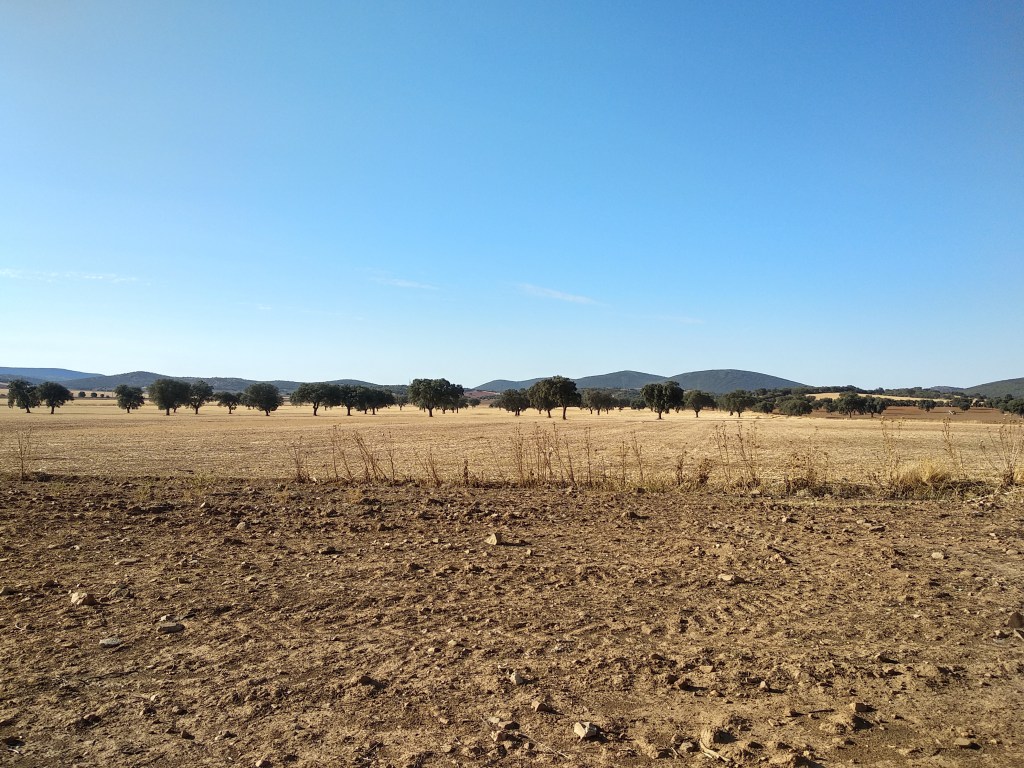
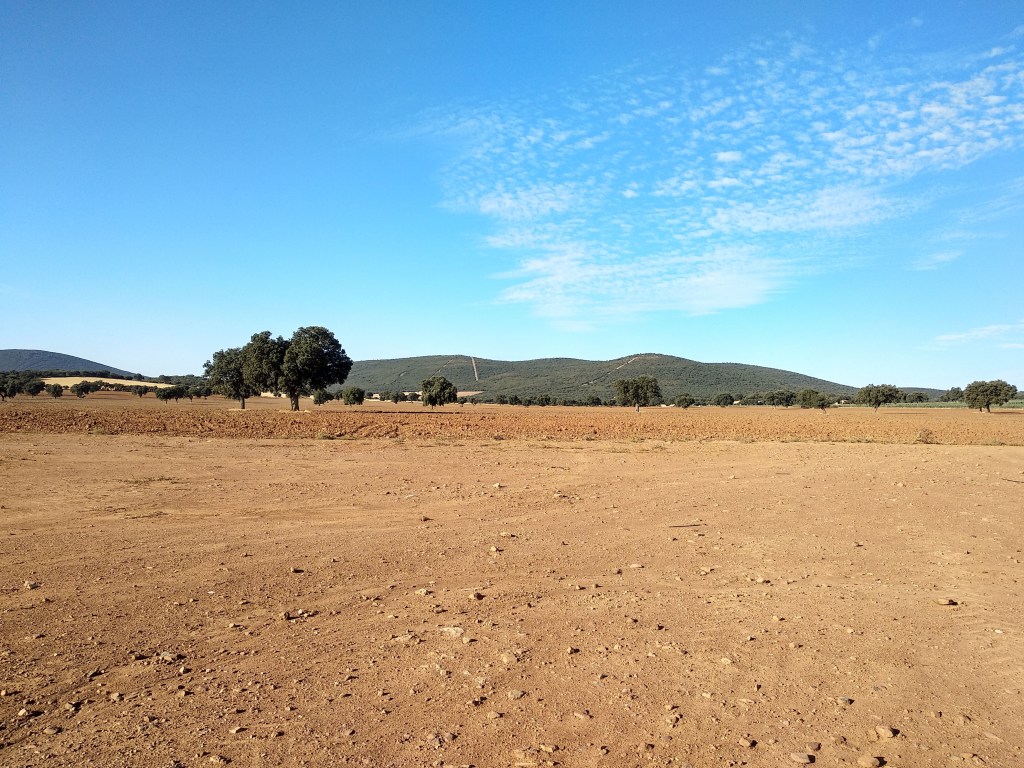
On the other hand, not a drop has fallen since, essentially, spring and as you can see in the pictures the countryside is dry. We depend on future rains because if it does not rain, we will not be able to sow rapeseed and we will only sow barley, wheat, and oat.
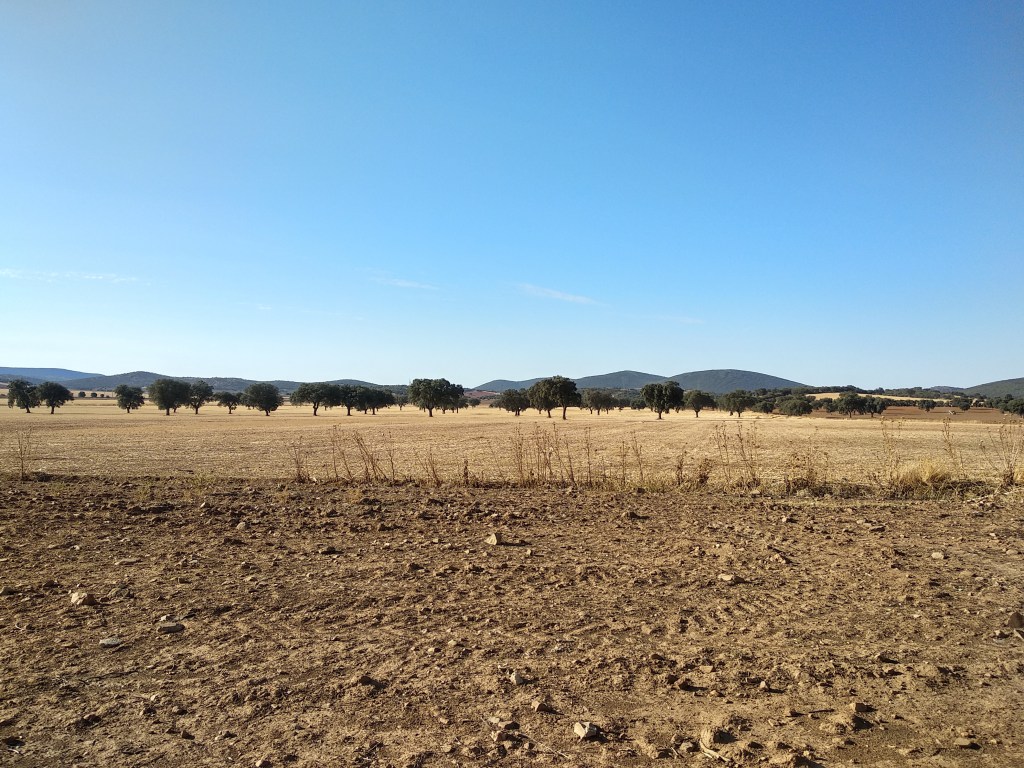
A dry field with trees in the background
A dry field with a blue sky

We are very happy because about 10 days ago we finished the third season of birth of the year, and every lamb has grown up very well. The lambs you can see in the pictures are the sons/daughters of the sheep that with one and a half years old were the first time they gave birth. Those lambs will be future mothers on the farm. In early November we will have the last birth period of the year.
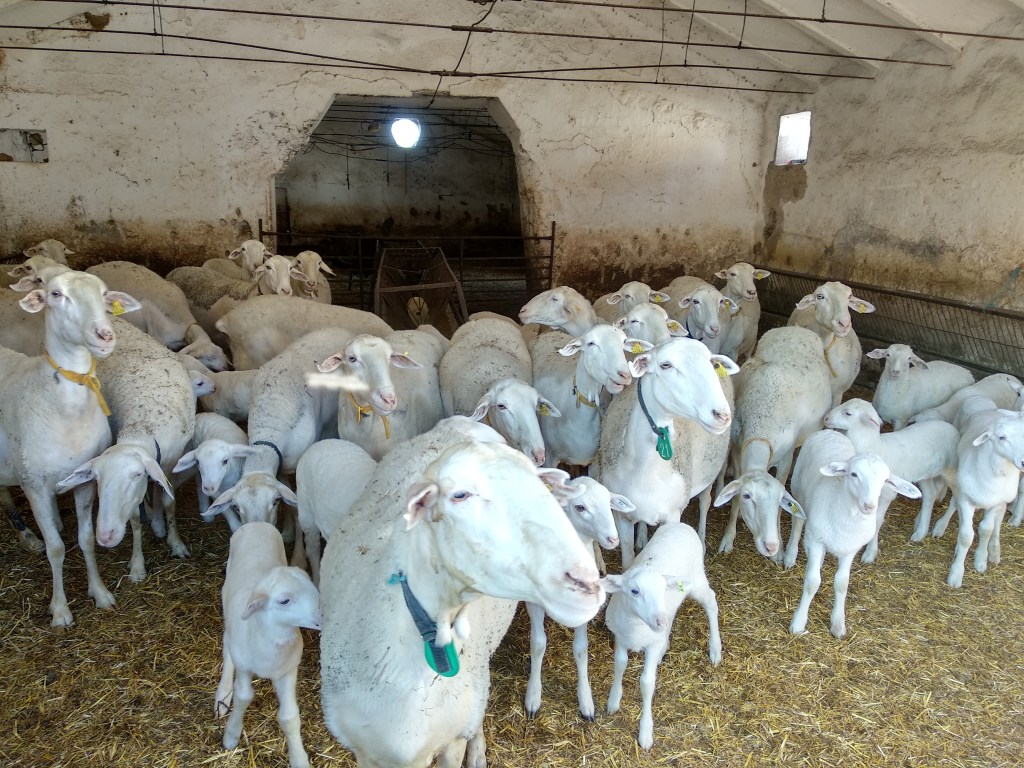
Ewes and lambs on the farm

As you know, in Spain, we have been confined for more than three months but we are going to our farm every day since animals do not understand the state of alarm nor confinement.  Although Covid-19 has not affected us in a personal way, we have been affected indirectly because the market was out of stock which led to the fluctuation of prices. This situation made us appreciate more the on-demand production we carry out at Crowdfarming with the adoptions.

But apart from these contingencies, we could say we are lucky due to the fact that we keep working with all the employees and we were able to invest in new machinery for the farm such as changing an old tractor. Also, we have renewed the feeding place in case the herd continues growing so that they have a much more comfortable space.
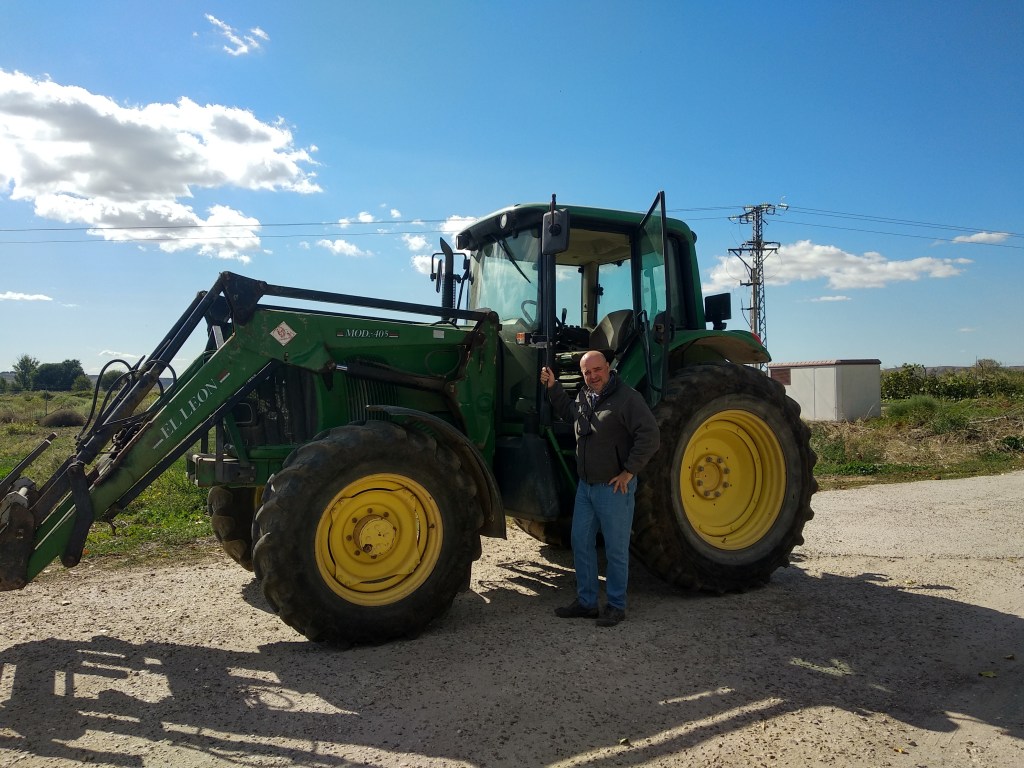
Farmer Antonio and his green tractor

We are truly happy with the results of our cheeses seeing that aging has gone very well, and we have not had any problem. We are willing to send our cheese without plastic wrapping; therefore, we are studying the option to vary the shipping format so that we change the cheese wedges to small complete pieces. For now, we have not found the most efficient way to do it, but we are doing research on how to get rid of the plastic at some point.

Remember that you should keep the cheeses well refrigerated. Try, if it is being opened for the first time, to take it out from the refrigerator and open the vacuumed package for minimum of 20 minutes before you want to eat it, to make the flavor and the aroma flourish. If you feel that the cheese has lost the vacuum, consume it with priority to avoid mold. In case this happened, you must only take it away by scraping it smoothly and you can perfectly eat it. Consider it is a natural product without any type of antibiotic and food preservative.
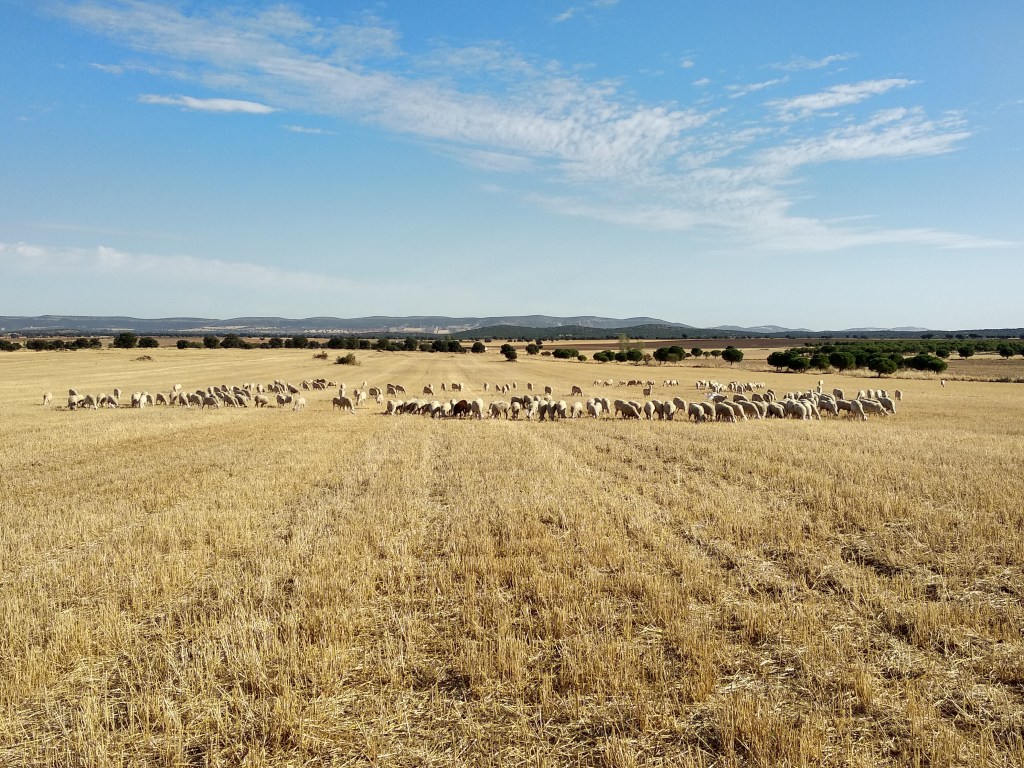
The ewes in the field feeding on the grass

I am in love with my cheeses and sheep and I hope you enjoy the cheeses since you are very important to me and I work every day for you.

Thank you very much for your trust and I am at your disposal for anything you need.

With an affectionate hug to all.

Antonio


Written by Farmers of CrowdFarming

Farmers of CrowdFarming

Share this content:

Keep digging ...

Field Notes

3 min

The ‘Mad German’ 40 Years On

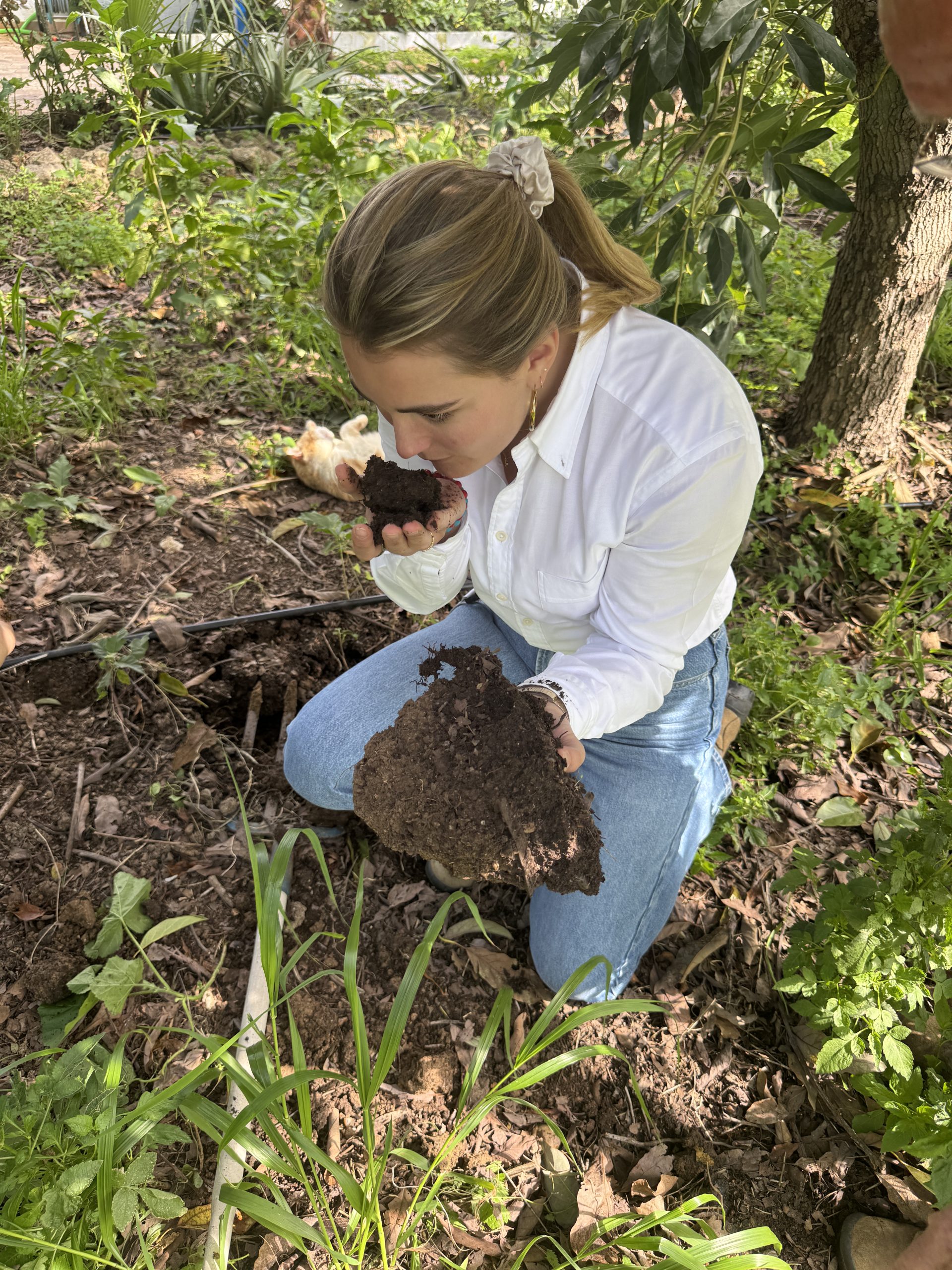
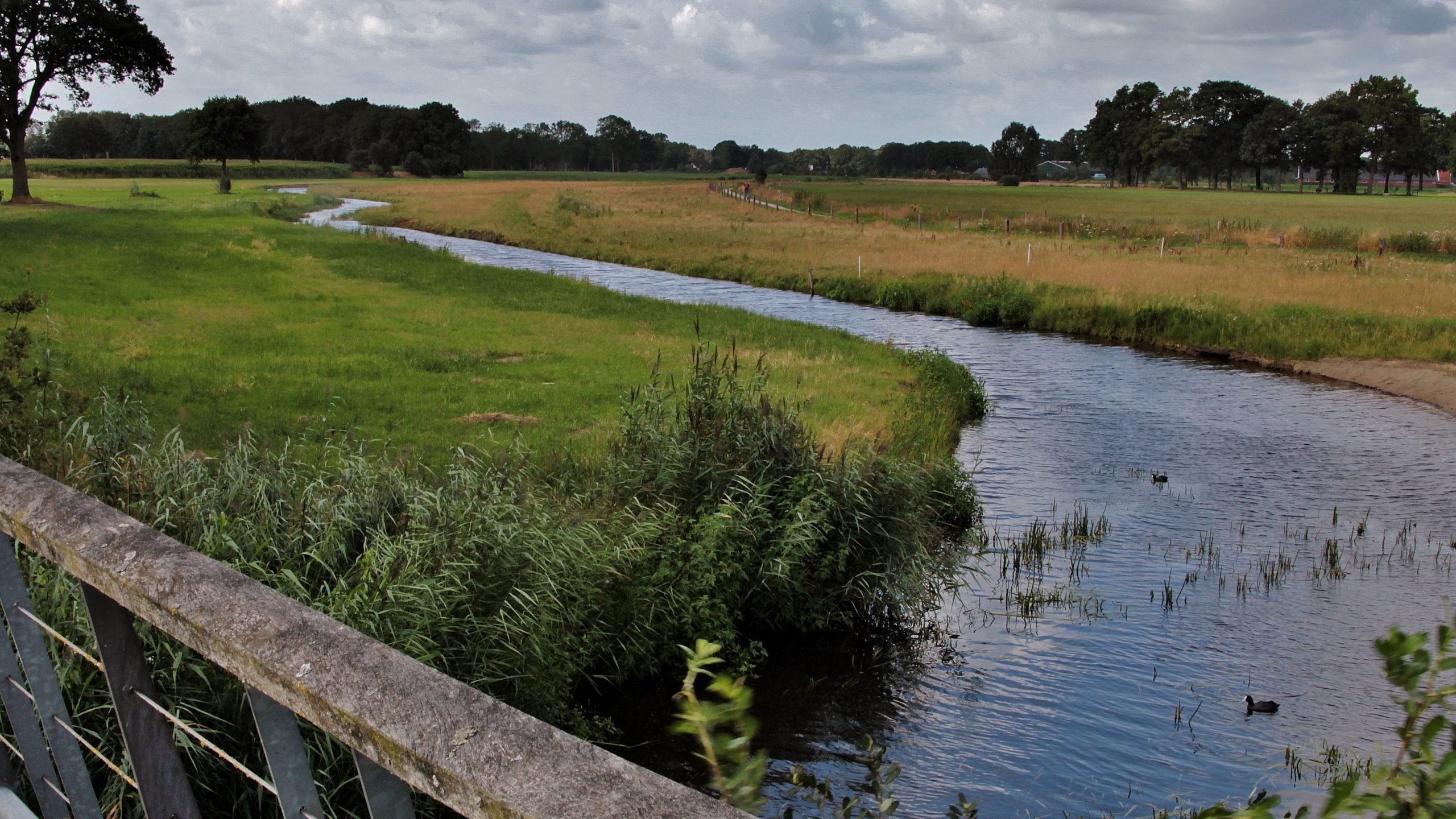
If you take a stroll with Friedrich across his farm near Gibraleón today, the first thing you’ll notice is the noise: a literal wall of birdsong. But behind this idyllic scene lies a radical choice made years ago—one that flew right in the face of convention. Today, having held Demeter certification since 1994, he’s living proof that his “madness” was the only logical response to the crisis facing our soil.Forty years ago, Friedrich fell in love with Finca Jelanisol-Montebello during a trip to Spain. At the time, he was working as a middleman for conventional fruit and veg. Two things happened back then that made him stop and think: A friend gave him a book on permaculture by Bill Mollison, which sparked an idea. While visiting a farm in Italy, he found himself desperately digging for earthworms. When the farmer told him there weren’t any “because you don’t need them,” Friedrich began to question everything. A Holistic Vision: Everything is ConnectedFor Friedrich, farming isn’t an isolated job; it’s part of a much bigger picture. He holds a deeply philosophical, holistic view of the world where everything—from soil microbes to the end consumer—is linked. He doesn’t see his farm as just a production site, but as a living organism where people and nature live in harmony. In his eyes, a peaceful society can only exist if we produce in tune with nature. If we get it right, there’s enough for everyone—we just can’t afford to destroy the foundations.One of the biggest things driving Friedrich is a deep-seated worry about the state of the modern diet. He explains that much of the food we eat today is “empty.” By this, he means conventional produce that, thanks to pesticides and long storage times, has lost any real nutritional value. He lives by the rule: Healthy Soil = Healthy People. Only living, regenerated soil can produce fruit that actually nourishes the body.One of the first things Friedrich did was build a large pond—not for irrigation, but purely for the birds, frogs, ducks, and fish. It also acts as drainage during heavy rain. They produce their own organic fertiliser using microorganisms, supplying the trees with a steady stream of minerals through a drip irrigation system.

Read

Field Notes

min

The Science Behind the Sweetness

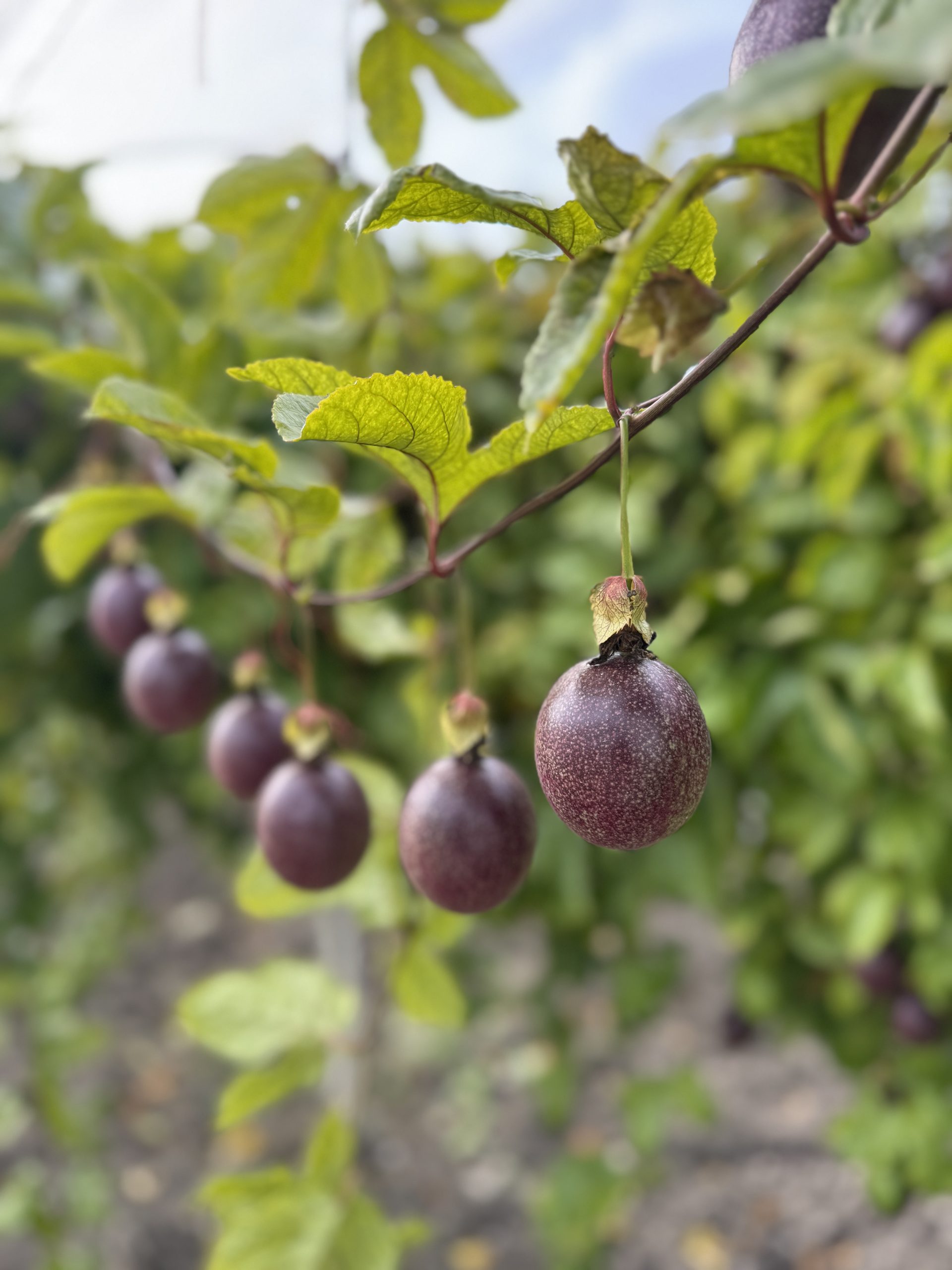
We visited Antonio from Sicilian Passion in Sicily. In a region traditionally known for its citrus fruits, Antonio decided to take a different path several years ago: he grows passion fruit (and even papayas!).A crucial part of our collaboration is precisely determining the harvest time. Our teams conduct sugar measurements directly in the field. A refractometer is used to determine the Brix value, ensuring that the fruits have reached the required physiological maturity and full aromatic profile. Harvesting only begins once these thresholds are met. In the video below, you can see our colleague Angelo taking these measurements. It’s a lot of fun, because you’re literally looking into the future.Ripening Characteristics and EtymologyAn important quality characteristic of passion fruit is the texture of its skin. Unlike many fruits, here’s the rule: the more pronounced the wrinkling of the fruit, the higher the sugar content. Due to slight evaporation during the ripening process, the fruit sugar concentrates inside, while the acidity subtly decreases. There are two harvests per year – one in the winter months and one in the summer months. Especially in summer, the fruits are “wrinklier” because the liquid evaporates faster due to the heat.Did you know that the name “passion fruit” is derived from Christian iconography? Spanish missionaries in the 16th century interpreted the complex flower structure as symbols of the Passion of Christ. The filaments of the flower were associated with the crown of thorns, the three stigmas with the nails of the cross, and the five stamens with the wounds. In the gallery, you’ll find a picture where this is very clearly visible.

Read

Field Notes

2 min

Blood red and extremely delicious

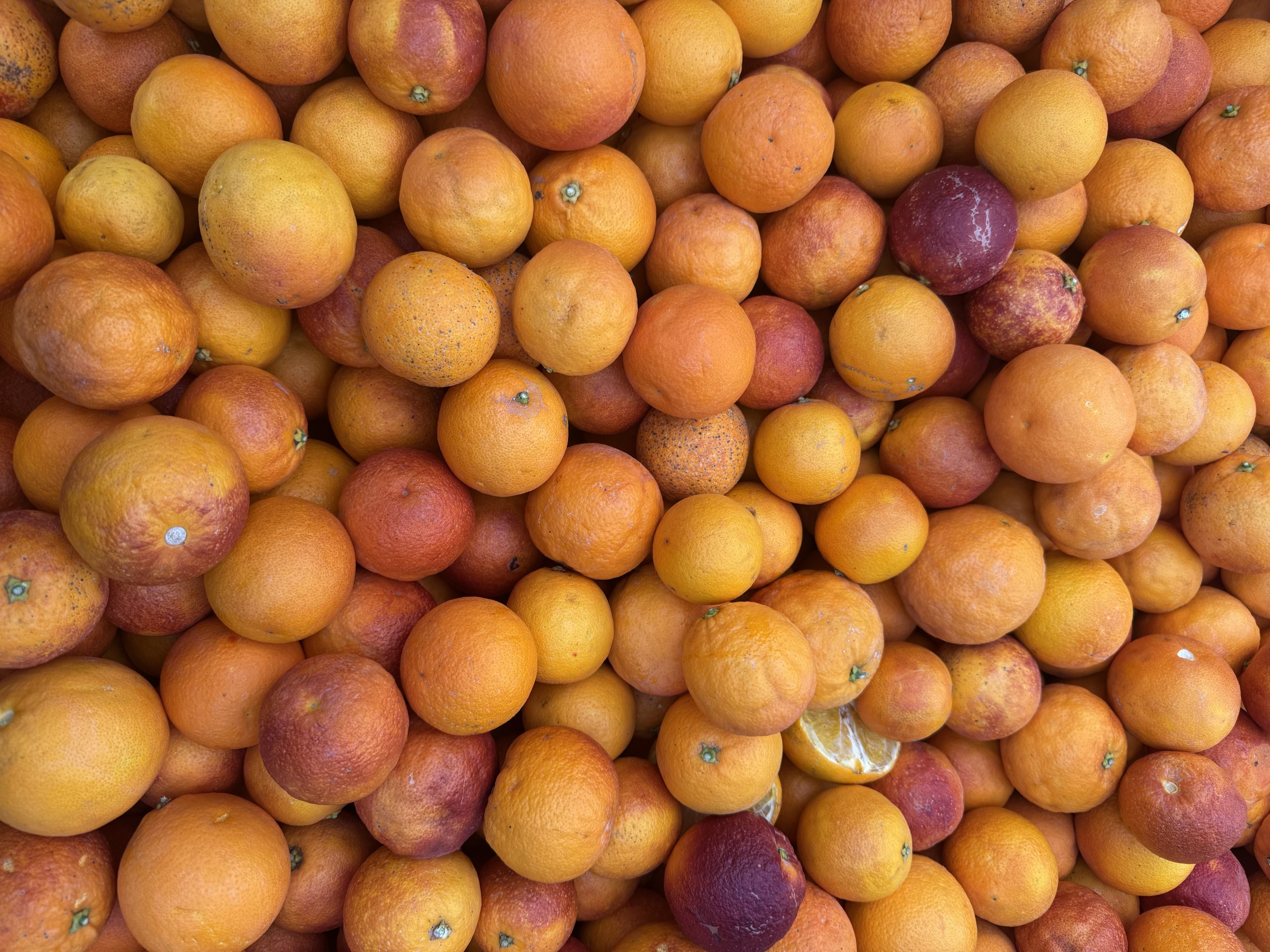
Why every blood orange isn’t actually blood-redWe visited Sicily and met Danilo from AranceBio in a field where the blood orange harvest was at its peak. You can not only see the ripe oranges hanging on the trees, but you can also smell them. The sky is blue, the trees and the meadow are green, and the oranges hang like small lanterns in the trees. It’s sunny but very fresh – even in Sicily, it’s winter. This is exactly the right time for the oranges to ripen. You need a mix of warm days and chilly nights for anthocyanin to develop; the pigment that turns the pulp red. So, if the nights stay too warm, the pigment can’t form, and your blood orange might end up looking more orange than red – though just as tasty. Danilo grows two different varieties; Moro: which is a bit more acidic and has a deep red flesh (if it’s cold enough!) and Tarocco, which is a bit sweeter and very mild. It’s a bit like being a kid opening a Kinder Egg. You can’t tell from the outside whether the fruit is going to be red or just orange. Given increasing dry periods, Danilo relies on permanent ground cover. This natural carpet protects the soil and serves as a water reservoir, storing valuable water during dry spells – thus keeping nature resilient. We obviously had to ask what we should eat while in Sicily, and Danilo recommended two dishes: the traditional Pasta con le Sarde (what else?!) and those deep-fried rice balls known as Arancini.

Read