Published March 2026
The Science Behind the Sweetness
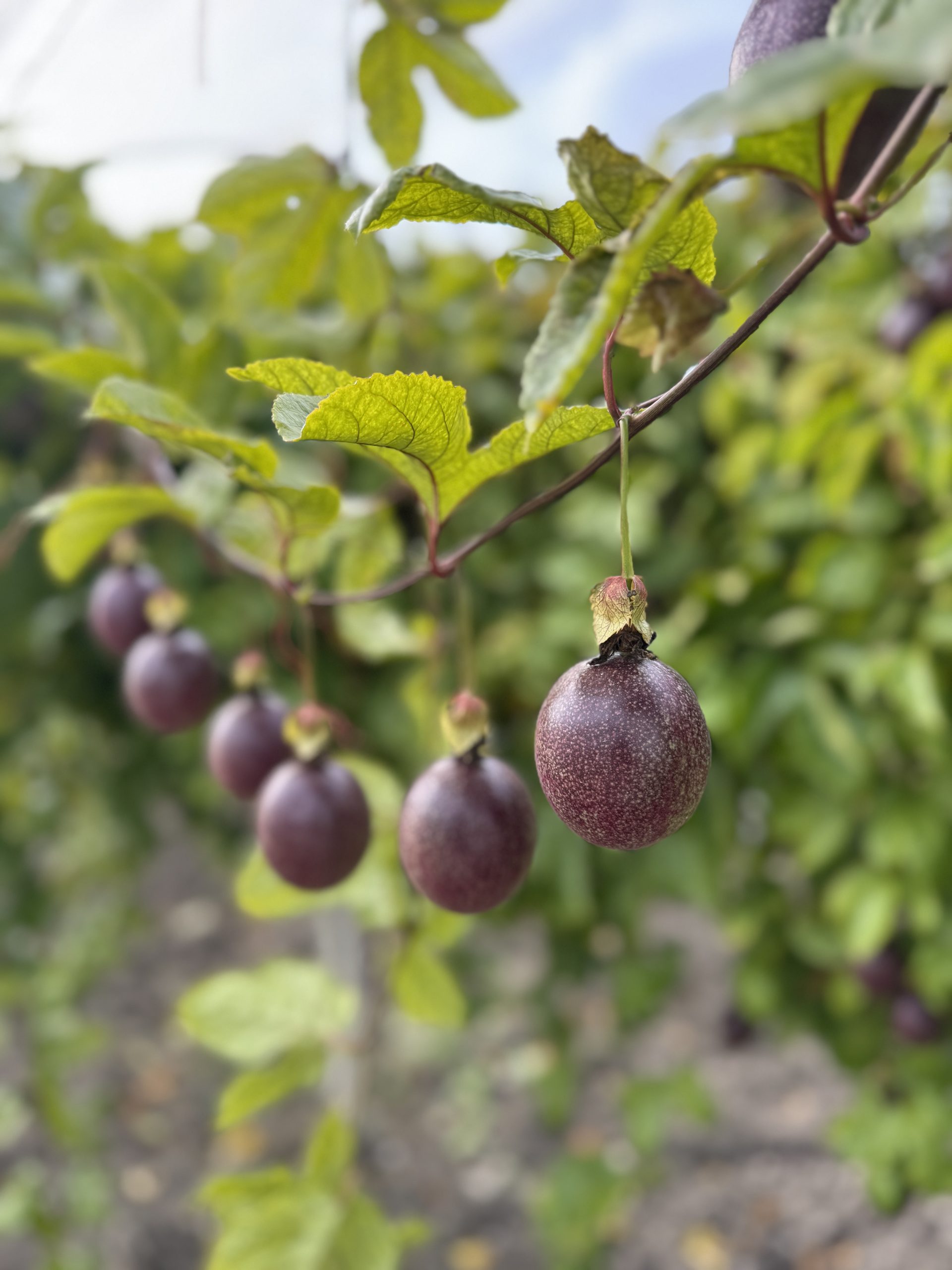
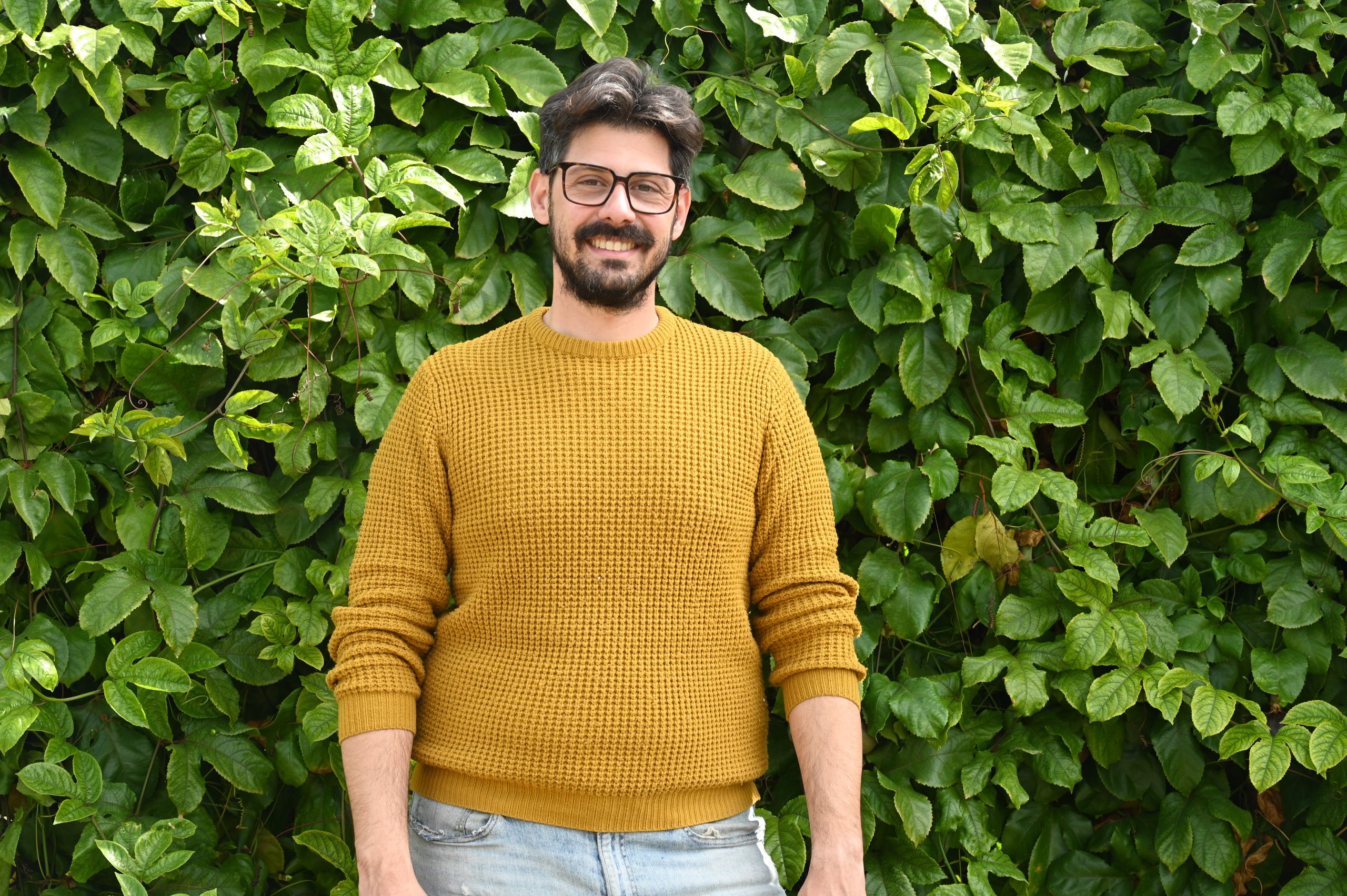
We visited Antonio from Sicilian Passion in Sicily. In a region traditionally known for its citrus fruits, Antonio decided to take a different path several years ago: he grows passion fruit (and even papayas!).
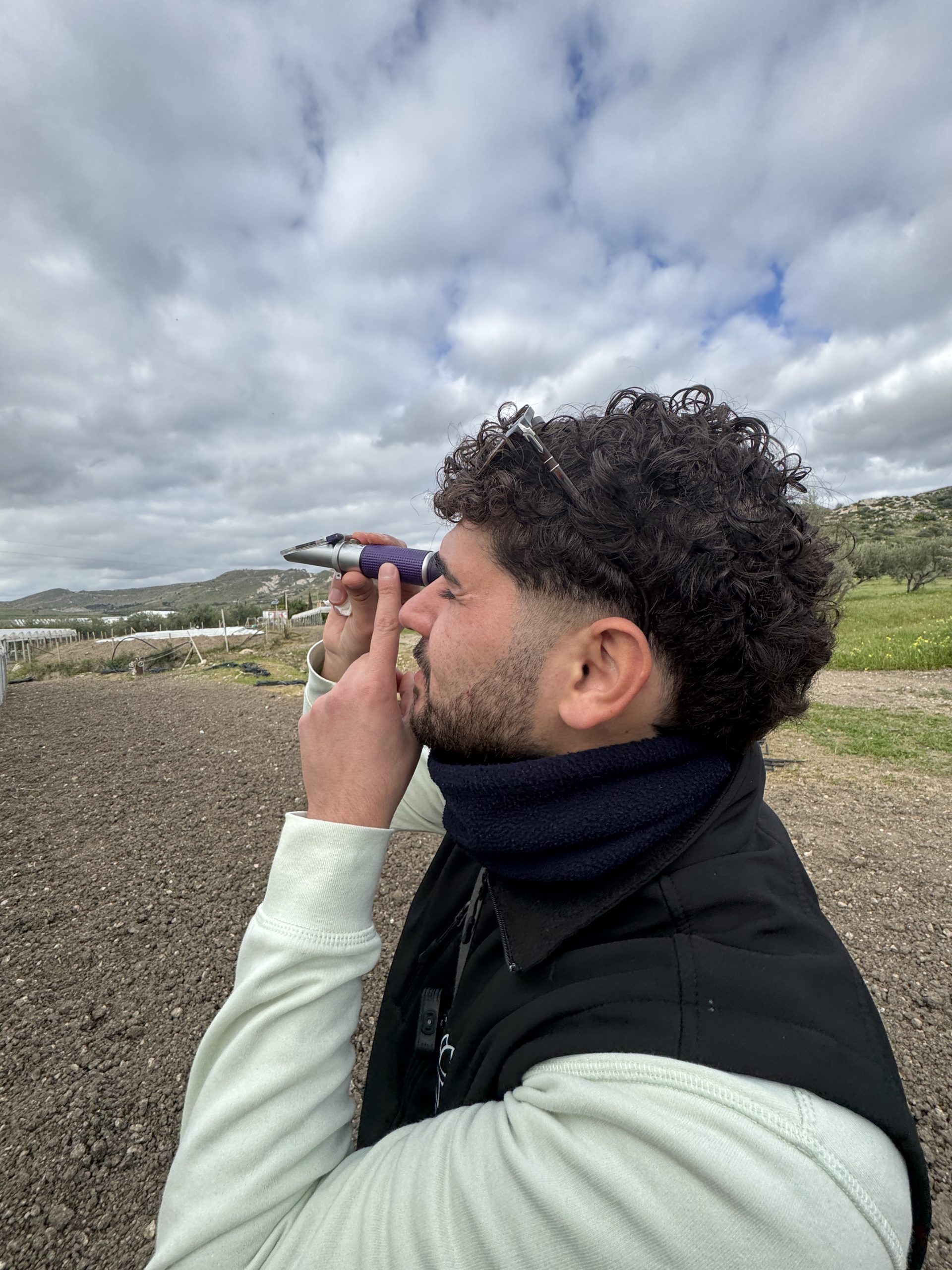
A crucial part of our collaboration is precisely determining the harvest time. Our teams conduct sugar measurements directly in the field. A refractometer is used to determine the Brix value, ensuring that the fruits have reached the required physiological maturity and full aromatic profile. Harvesting only begins once these thresholds are met. In the video below, you can see our colleague Angelo taking these measurements. It’s a lot of fun, because you’re literally looking into the future.
Ripening Characteristics and Etymology
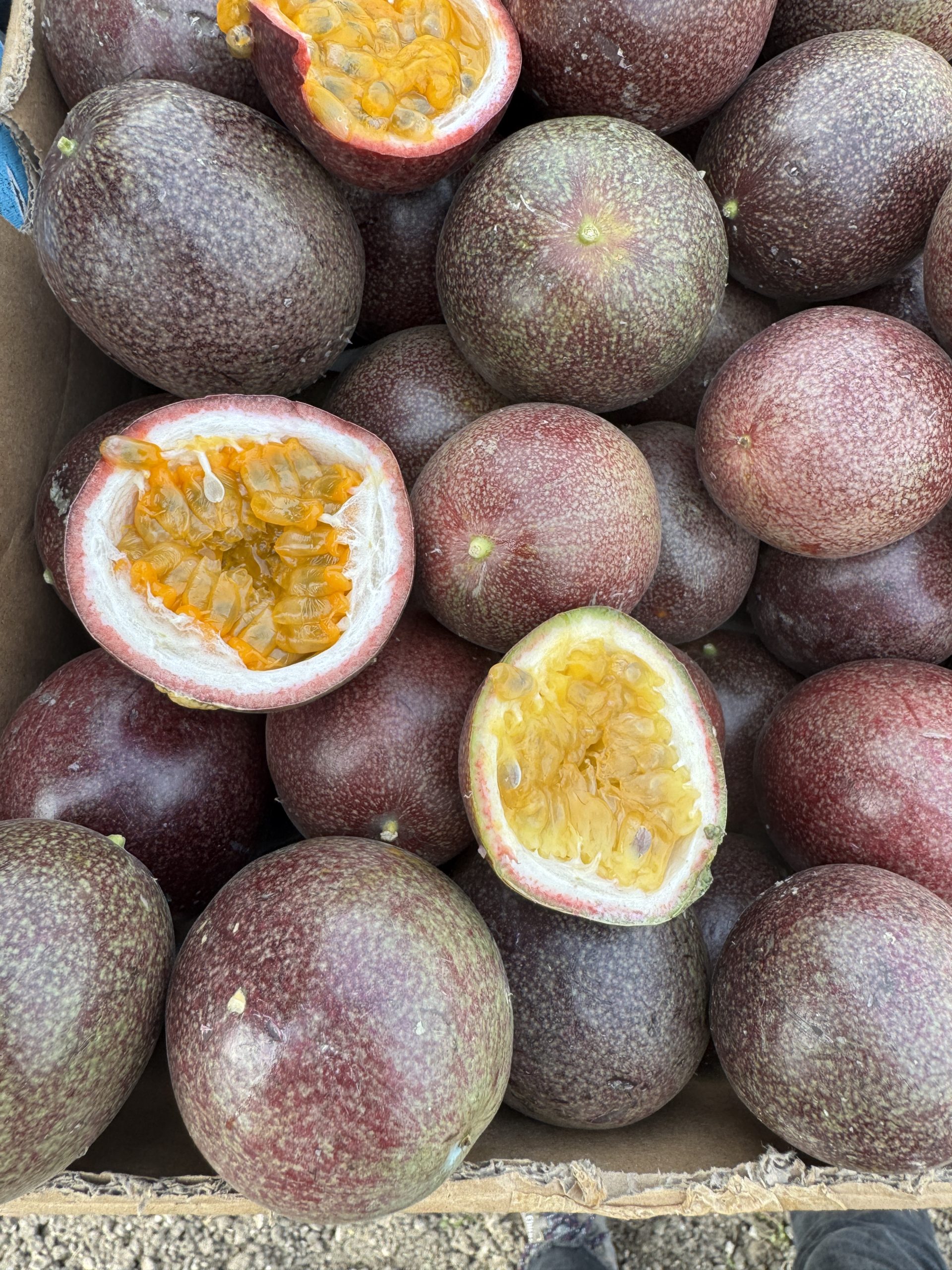
An important quality characteristic of passion fruit is the texture of its skin. Unlike many fruits, here’s the rule: the more pronounced the wrinkling of the fruit, the higher the sugar content. Due to slight evaporation during the ripening process, the fruit sugar concentrates inside, while the acidity subtly decreases. There are two harvests per year – one in the winter months and one in the summer months. Especially in summer, the fruits are “wrinklier” because the liquid evaporates faster due to the heat.
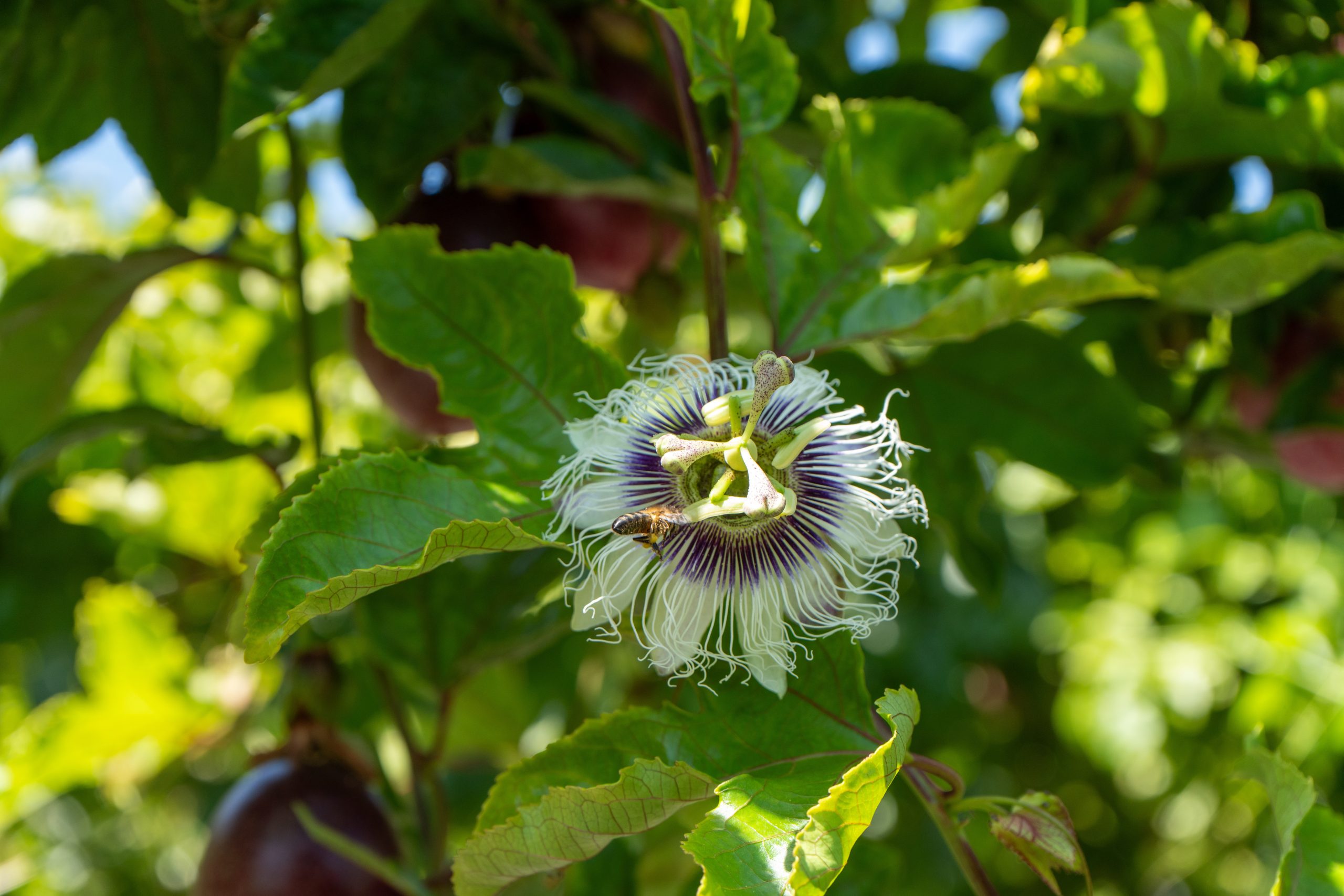
Did you know that the name “passion fruit” is derived from Christian iconography? Spanish missionaries in the 16th century interpreted the complex flower structure as symbols of the Passion of Christ. The filaments of the flower were associated with the crown of thorns, the three stigmas with the nails of the cross, and the five stamens with the wounds. In the gallery, you’ll find a picture where this is very clearly visible.


Written by Magdalena Werner
I'm Magdalena, a Farmer Ambassador. I've been working at CrowdFarming for eight years, and after seven years in customer service, I'm now part of the sustainability and awareness team, sharing the farmers' stories and taking you on a journey through their daily lives in the fields.
Comments
Keep digging ...