

Published March 2026
Avocados on the move: comparing Europe to Global supply chains
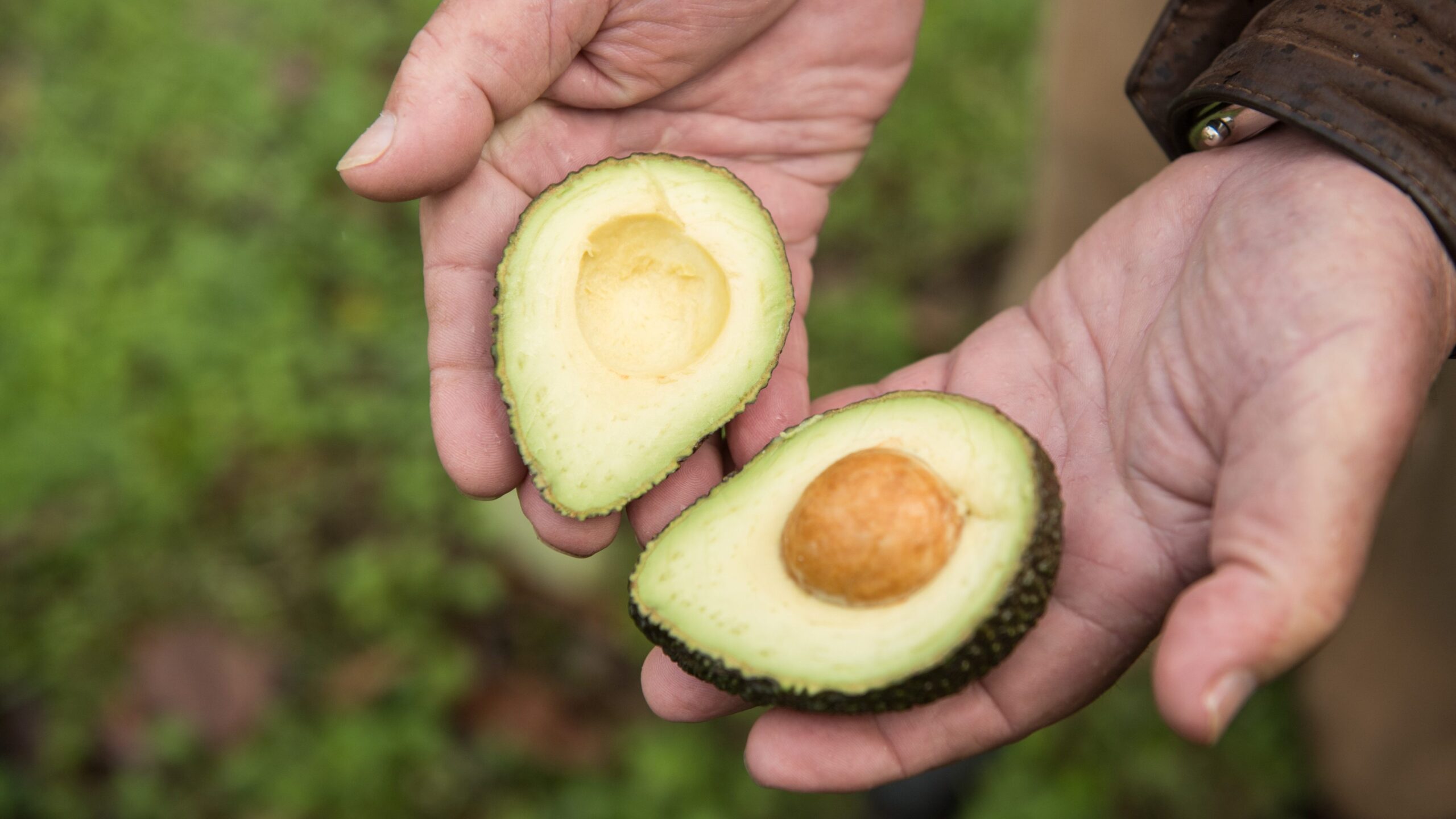
Avocados often bring to mind tropical hillsides in Latin America, misty valleys in Peru, or the volcanic slopes of Mexico. But the same fruit is also growing under the Mediterranean sun—closer to European homes.
On the surface, these avocados may look identical. Yet, their journey, water use, nutrient retention, and labour context tell very different stories.
Distance matters when volumes grow
Over 90% of the avocados consumed in Europe are imported—mostly from Peru, Chile, Colombia, Israel, Kenya, and South Africa. These supply chains involve long-distance maritime shipping, inland road transport, cold storage, and handling infrastructure.
A shipment from Málaga to Berlin emits around 0.21 kg CO₂ per kg, while avocados from Chile generate approximately 0.42 kg CO₂ per kg—twice the emissions.
Individually, these emissions seem small. But when scaled to current consumption levels, they matter. Europe is expected to consume up to 1.5 million tonnes of avocados annually. In 2024, Germany alone consumed 165,530 tonnes, followed by France (157,977 t), the UK (122,993 t), and Spain (96,617 t). CrowdFarming is already supplying part of this demand from neighbouring countries such as Spain, Italy and France, adding up to over 800 tonnes of avocado delivered within the same continent.
While sea freight can seem efficient when calculated per kg, it remains a big contributor to emissions when applied to large volumes of refrigerated fruit. The issue is not shipping per se, but the scale and regularity of long-distance supply chains for products that can be grown closer to home.
Nutrient density and flavour: shaped by time and handling
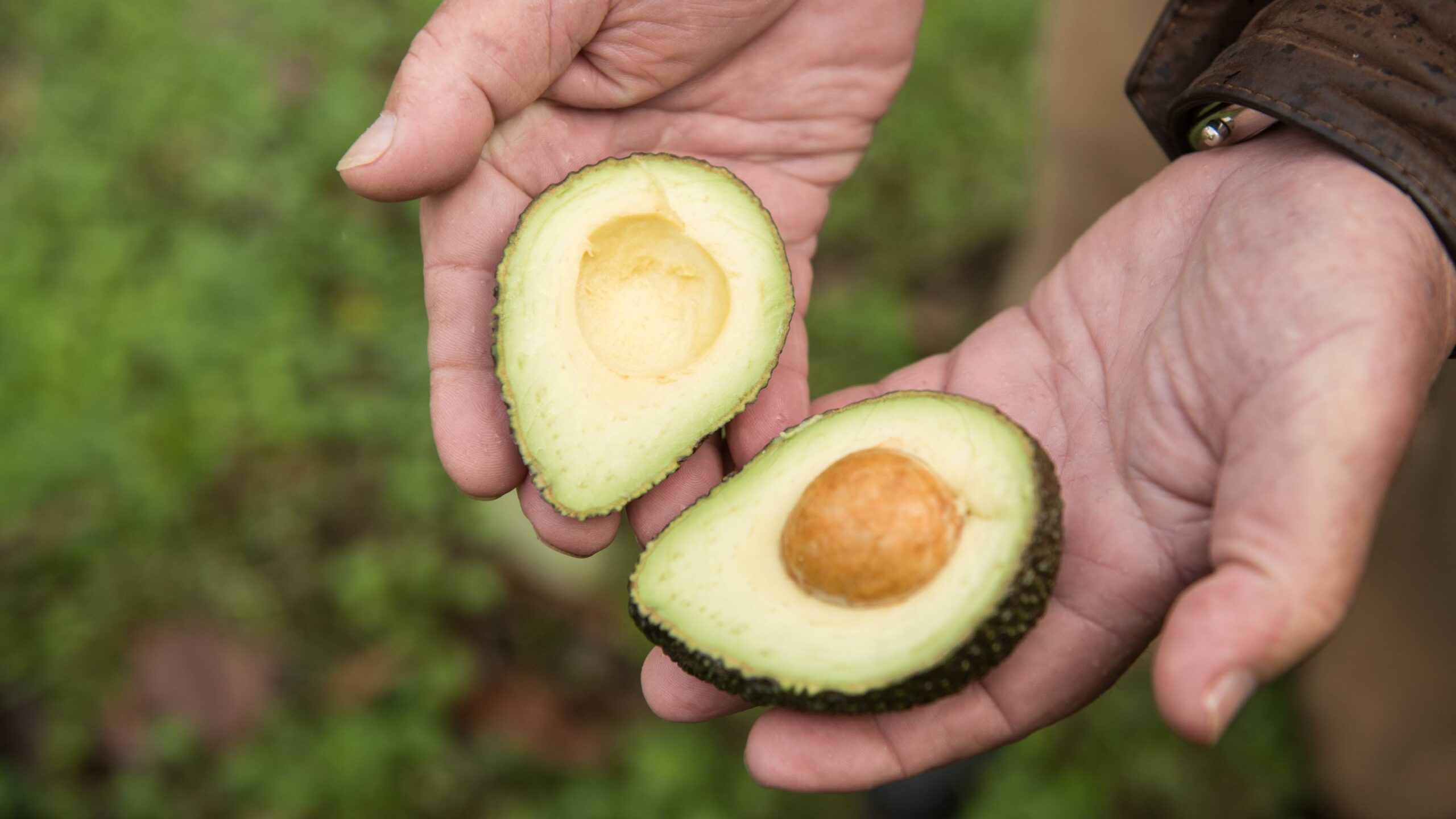
The time between harvest and consumption influences not only freshness, but nutrient content and flavour. Imported avocados often travel for several weeks and undergo artificial ripening in distribution centres. In contrast, avocados harvested to order—like CrowdFarming’s—leave the tree and reach European homes in 5.3 days on average in 2024.
This difference matters. According to one study, Spanish avocados can contain up to 51.1% oleic acid, compared to 43.5% in imported Chilean avocados. Oleic acid is a monounsaturated fat linked to cardiovascular health. Other research indicates that phenolic compounds—important for antioxidant capacity and flavour—may also degrade during extended storage and long shipping times.
It is essential to take into account that these differences depend on variety, ripeness at harvest, soil conditions, and storage methods. But overall, shorter journeys and faster delivery reduce nutrient loss and improve flavour retention.
Nature and nurture, both matter
Some regions, particularly tropical zones, offer ideal natural conditions for growing avocados—stable rainfall, fertile soils, and minimal irrigation needs. Others depend on human-management to create the right conditions for avocados to grow. What determines the farming impact is not just having the right context, but the combination of ideal climate, farming method and regulation.
Labour conditions also vary widely—both within and outside the EU. Transparency, traceability and enforceable standards are what make a difference, not geography alone. What we know is European producers operate under concrete regulatory frameworks for pesticide use, labour rights, and water management, often more strict than what other regions demand. This, however, doesn’t mean all practices in the EU are exemplary, nor that all practices outside it are problematic.
Still, supply chains from some regions have raised red flags. In Morocco’s Souss valley, large-scale avocado farms have been linked to labour violations, including wages as low as $203/month, lack of protective equipment for pesticide application, and union suppression.
Water and climate: not all avocados are equally thirsty
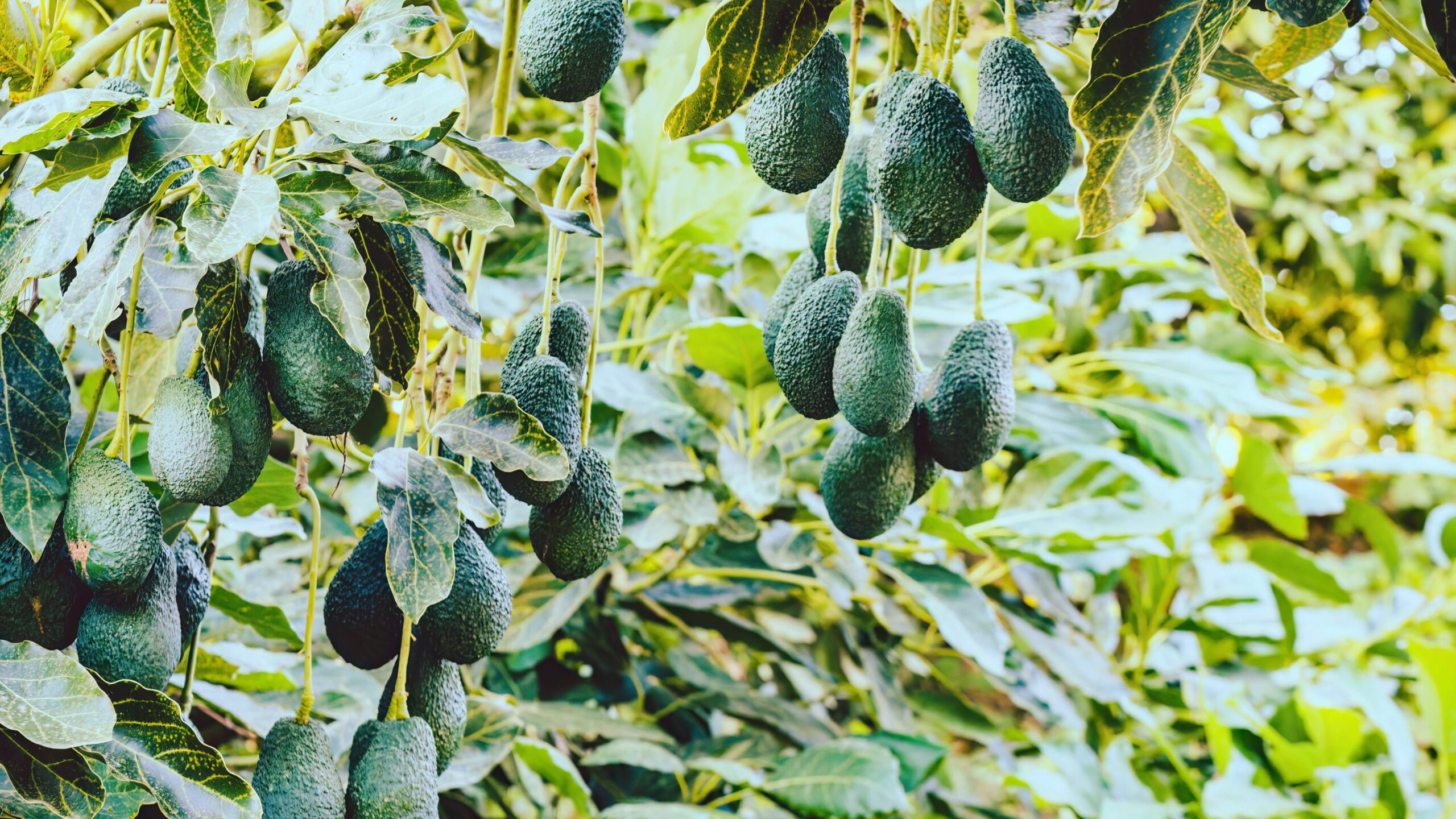
Avocados are regularly criticised for their water use. But this depends heavily on local climate and management systems. In many tropical countries, trees grow with minimal or no irrigation. In drier zones like southern Spain or Morocco, water must be carefully managed.
At CrowdFarming, all tropical fruit producers use drip irrigation to minimise water loss. Many go further by using regenerated water (treated wastewater), and applying regenerative practices that improve soil structure, increasing water retention capacity.
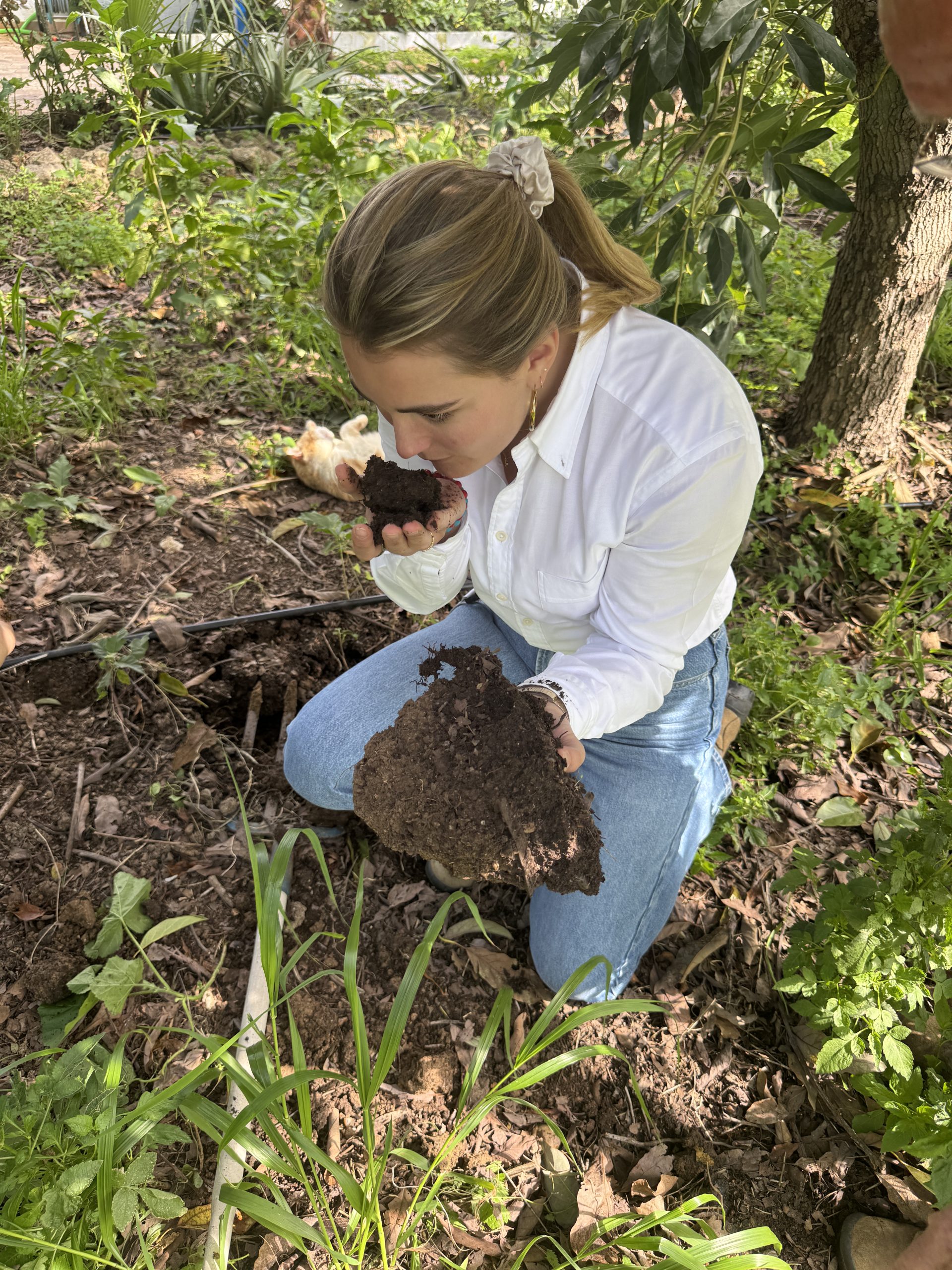
Examples include farms such as Laderas de Granada and Loma del Gato, which have proven to have improved the water indicator (measured as part of the regenerative index that tracks quality of irrigation water, management of water on the farm, and the capacity of the soil to store rainwater, among other data) within their regeneration index by up to 30%.
Still, they are not the only ones. A growing share of our organic avocado producers are transitioning to regenerative agriculture—improving the soil’s capacity to absorb water and reduce evaporation.
It’s simply not that simple: A Final Note
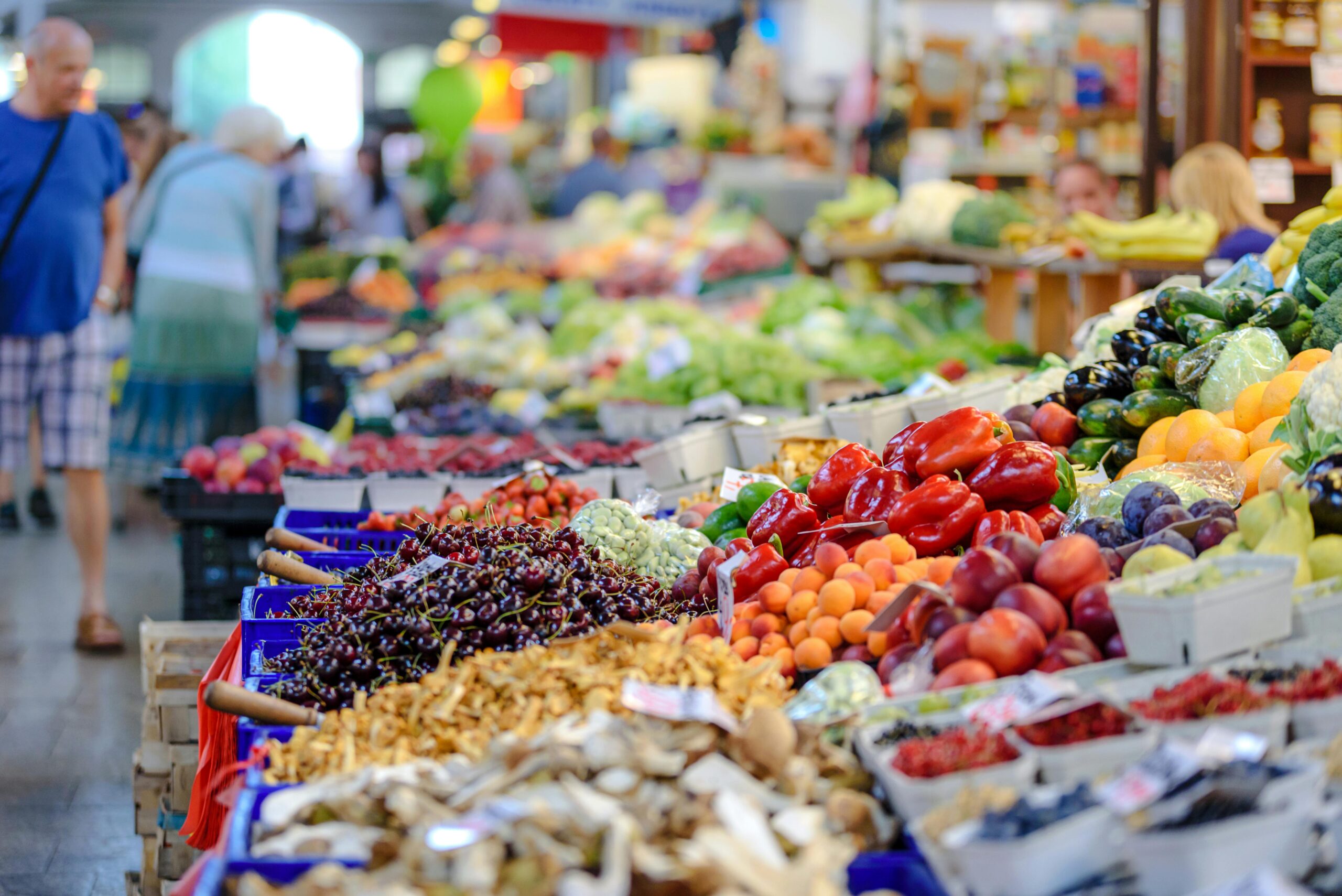
With the limited information available in supermarkets, it’s hard to tell where an avocado was grown—or how. Most look the same on the shelf. But the conditions behind them vary: some are harvested early to survive long-distance transport; others are picked at the right moment and delivered in days. Some are irrigated with freshwater under conditions of stressed water resources. Others rely on rainfall or reuse treated water.
Some come from systems where wages are documented and working conditions audited. Others do not.
None of this is visible at first glance. But it becomes visible through transparency, traceability, and a closer connection to the people growing our food.
Avocados can be grown responsibly in many places. The key is not distance alone, but everything that comes with it.
Sources & Further Reading
- Comparative Analysis of Avocado Oils (PMC, 2022)
Peer-reviewed study comparing the fatty acid profiles of avocados from different origins, including Spain and Chile. Used to support nutritional comparisons (e.g. oleic acid content). - Moroccan Workers Organising Against Exploitation (War on Want, 2023)
Field report highlighting labour violations—including low wages and union suppression—on large-scale avocado farms in Morocco’s Souss region. - Water Concerns in Morocco’s Avocado Boom (Wala Press, 2024)
Investigative piece exploring the environmental impact of avocado expansion in Morocco, with focus on water use and drought pressure. - Avocados and Human Rights Risk (Maplecroft, 2023)
Analytical report examining conflict, deforestation and labour risks across avocado-producing regions, with insights into global sourcing vulnerabilities.
Written by Fran Aparicio

Fran Aparicio coordinates Regenerative Agriculture at CrowdFarming, which mostly means he spends his days trying to make farmers, scientists and data people agree on what “healthy soil” actually means. He lives somewhere between muddy boots and research papers, translating field reality into something you can measure (and hopefully improve).
Keep digging ...