Published March 2026
Clementines: truth vs myth
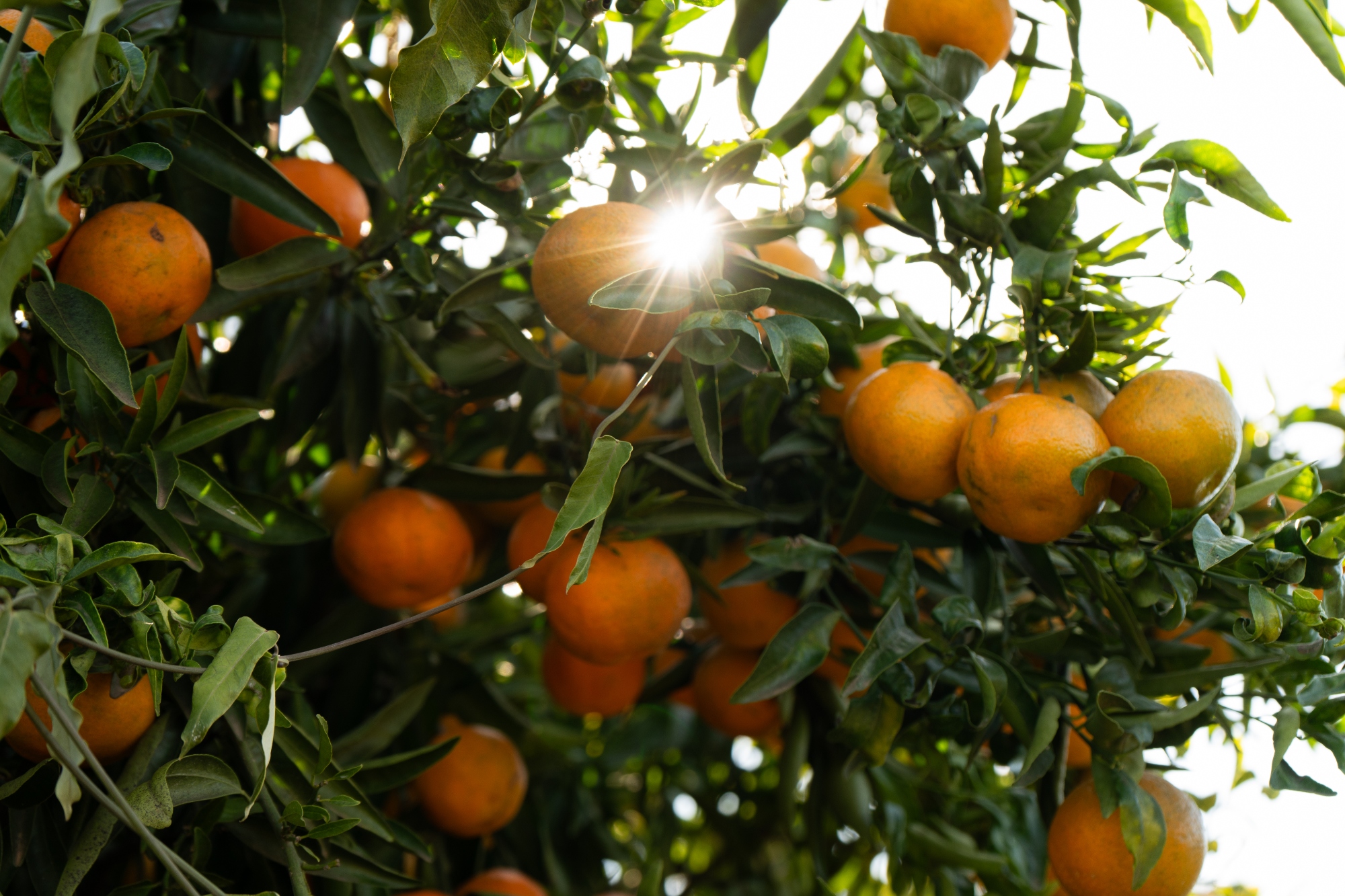
The clementine season is here (from late October to early March) and many of us are enjoying our orders of fresh and citrusy clementines. However, we understand that some aspects of these fruits might raise questions, when they don’t match common expectations. Whether it’s their colour, size, taste, or ease of peeling, we’re here to clarify everything so you can enjoy the beauty and variability of this fruit.
Why are some clementines green?
The green colour of clementines is completely natural and does not mean they are unripe. Clementines turn orange when exposed to cooler temperatures, which breaks down the chlorophyll in their skin. In warmer regions, like southern Spain where our farmers grow them, the process is slower, leaving some clementines with green patches even when they are perfectly ripe.
Our farmers only harvest fruit when it is fully ripe, so rest assured, green clementines are just as sweet and delicious as fully orange ones!
Clementines with or without seeds
The presence of seeds in clementines depends on the variety and the pollination process. Having seedless clementines does not mean that they have been genetically modified or that they aren’t organic. In fact, we offer many organic seedless varieties. You can learn more about why certain fruits are seedless in our blog post.
Why are they sometimes sour at the beginning of the season?
The first clementines of the season may taste slightly sour due to the balance of sugars and acids in the fruit. As the season progresses, the sugar content increases, creating the sweet flavour we associate with peak-season clementines.
If you prefer sweeter clementines, we recommend ordering later in the season when their natural sweetness has fully developed.
Clementines vs. mandarins: what’s the difference?
Clementines are a specific type of mandarin, but not all mandarins are clementines. Clementines are smaller, seedless (in most cases), and easier to peel compared to other mandarin varieties.
Within the clementine category, there are also different varieties, each with unique characteristics. Some may be sweeter, juicier, or have a different texture.
You can check our blogpost of citrus varieties to discover more.
Why are they different sizes?
It is our CrowdFarming policy to not judge fruit by their size. The conventional food supply chain has very high standards in this regard, and often discards and wastes perfectly fine fruit due to their appearance or size. To avoid this unnecessary waste, and since we know that size doesn’t impact quality or taste, we don’t discard fruit based on aesthetics. Furthermore, our farmers don’t use chemical fertilisers or growth regulators to produce uniformly sized fruit. Instead, the clementines grow naturally, which means their sizes can vary depending on weather, tree age, and variety.
Why are some clementines hard to peel?
The ease of peeling depends on the variety and the freshness of the fruit. Early-season clementines often have thinner, tighter skins, making them slightly harder to peel. As the season progresses, their skins loosen, making them easier to peel by hand.
Pro tip: Roll a clementine gently between your hands before peeling—it can help loosen the skin!
Our farmers’ clementines are a true reflection of nature’s diversity, and their unique characteristics are part of their charm. Whether they’re green or orange, small or large, seedless or not, they’re grown with care and respect for the environment.
We hope this article answers your questions and helps you enjoy your clementines to the fullest. If you have any further doubts, our customer service team is always here to help.
Written by Emilia Aguirre
Emilia Aguirre is our Awareness & Advocacy specialist — which means she spends her days asking the uncomfortable questions about how our food is grown, priced, labeled, and sold. She hosts What The Field?!, a podcast packed with stories from the ground, hard-hitting research, and conversations with the people shaping the future of food (whether they like it or not).
Keep digging ...