Published March 2026
Cold Storage of fruit: Energy-intensive and taste-offensive?
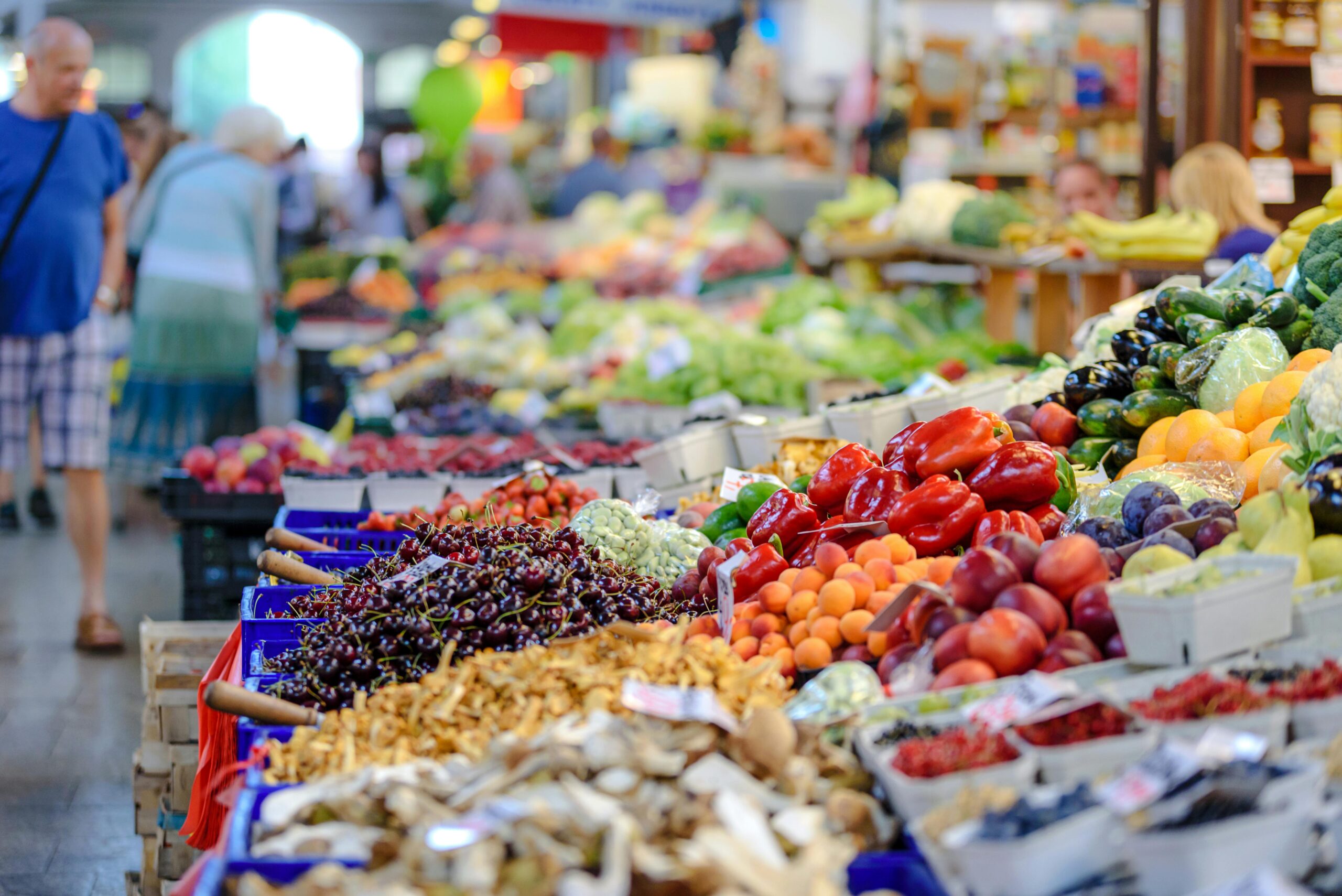
When buying fruit at supermarkets or local stores, we tend to think about price or whether it is ready to eat. We might even think about where it comes from or if it is organic or not. But have you thought about how long it has been since it was hanging from the tree? You should! Not only does a product’s journey influence its carbon footprint, but it also influences its taste, quality and how long it will keep fresh once it reaches your home.
Cold storage is responsible for about 1% of the world’s total carbon dioxide emissions, and in developed economies, it can be as high as 3-3.5%. It is undeniable that a cold-stored product has a greater environmental impact than one that has not been stored. Also, the longer it is stored, the more its quality declines and its tastiness diminishes.
Nevertheless, it cannot be demonized: The cold chain represents a strong advancement for food security and is one of our most important allies when it comes to avoiding post-harvest losses – the FAO estimates that globally, around 14 percent of all food produced is lost from the post-harvest stage up to, but excluding the retail stage.
In principle – fruit should not be stored: it should be on the tree, on the move, or at home ready to be eaten.
In long supply chains or conventional supermarket models, we tend to see a whole lot of storage – from months up to even a year – just for the sake of speculation: waiting until there is a better buyer, less competition or higher prices. On the other side, many consumers have forgotten about seasons and there is a demand for products all year round.
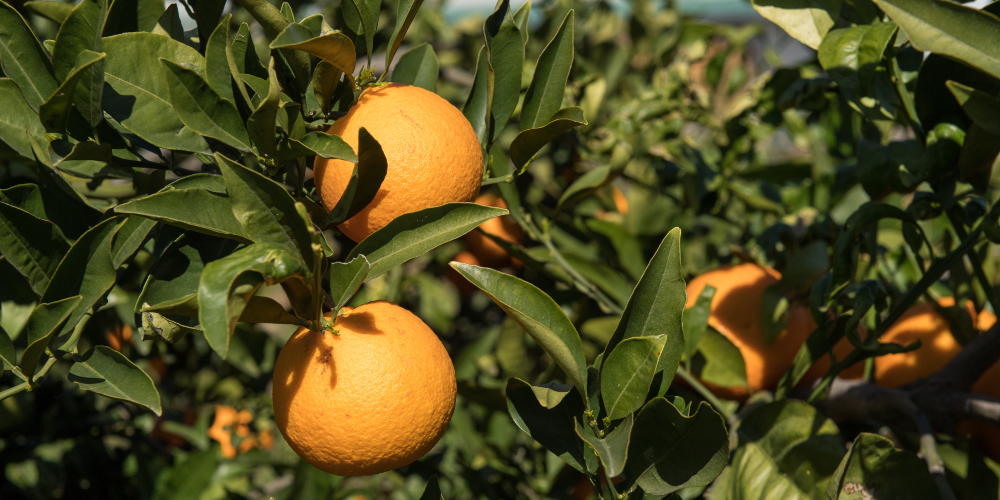
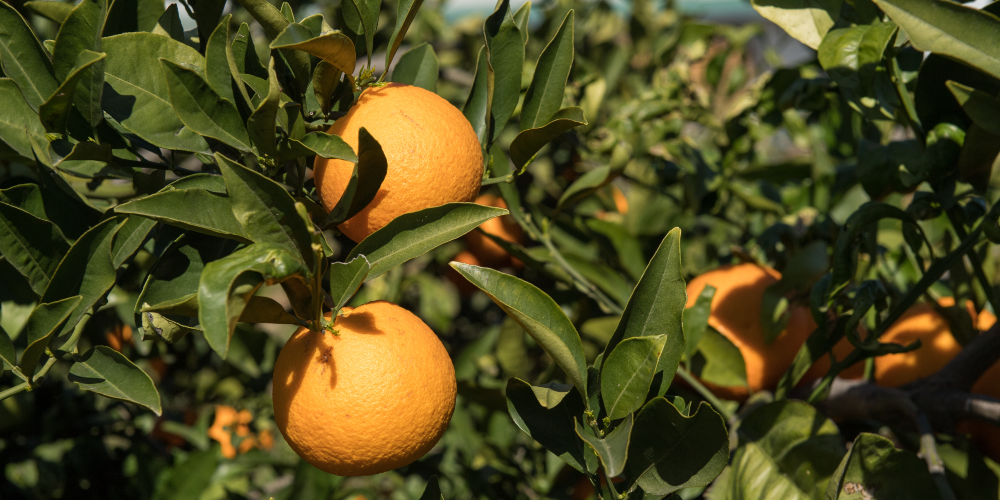
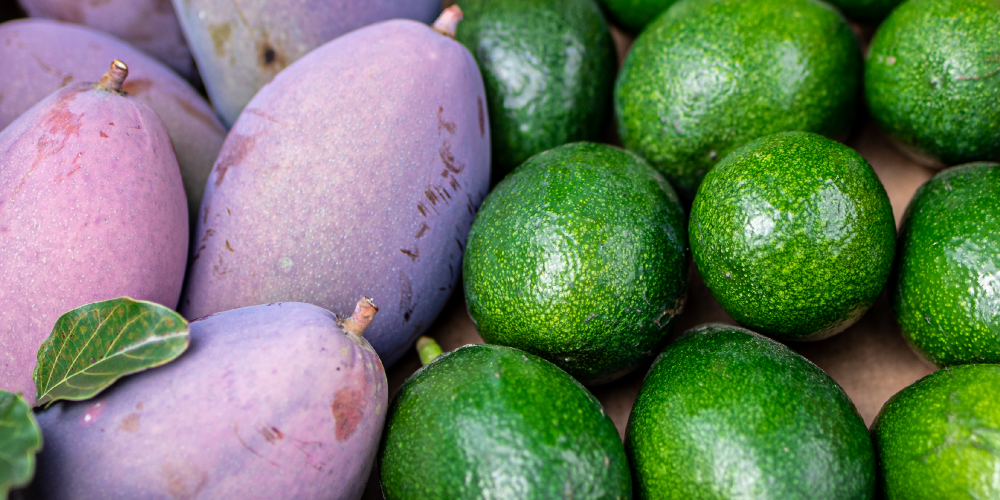
However, freighting food across oceans, using cold storage and artificial treatments such as waxes are not the only ways to expand the seasons. Many farmers push to expand the seasons by working with different varieties that have different harvesting times, and they harvest gradually even though it can be more labour-intensive, making it possible to expand the seasons across several months. Many fruits offer this possibility without the need to use cold storage, including citrus or tropical fruits.
Storing these is what we consider an “unnecessary evil”. So what is the “necessary evil”?
When is it necessary to use cold storage to conserve fruit?
Some farmers cultivate fruit that cannot be harvested gradually and needs to be picked all at once during a limited window of time of approximately two weeks during a specific time of the year. This is the case with fruits like apples, pears, and kiwis.
Farmers cultivating such fruits don’t have as many options to prolong the period of sale of their products, so they use cold storage, so as not to create huge volumes of food and the consequent economic impact in their business. As of today, there is no other technology that combines the ability to extend the shelf life of the product, while maintaining its physical, chemical, nutritional and sensory properties with less environmental impact.
However, some farmers selling through CrowdFarming are working hard to find different varieties that can be farmed in their region while maturing at different periods in time. This allows them – and CrowdFarmers – to expand the season further, and also benefits biodiversity through the inclusion of new varieties that had been left out of the mainstream!
Does cold storage go against the CrowdFarming ethos?
At CrowdFarming we seek a balance between the economic stability of our farmers, the environmental impact derived from the food system, and the experience of consumers, including the quality and freshness of the product.
After a lot of internal debate, we have decided to work with farmers that preserve fruits with stronger limitations in harvesting times – apples, pears, and kiwis – in cold storage mainly for the reasons above – avoiding food loss and ensuring farmers financial stability – under certain limitations:
- We will only accept cold storage in fruits that, due to their life cycle, must be harvested in an approximate period of 2 weeks or less. These are the cases mainly for kiwis, apples, and pears.
- Fruits that cannot be harvested gradually, because more time on the trees would dramatically increase the risk of losing the entire crop (e.g. over-ripening in seed fruits or risk of frost in kiwi).
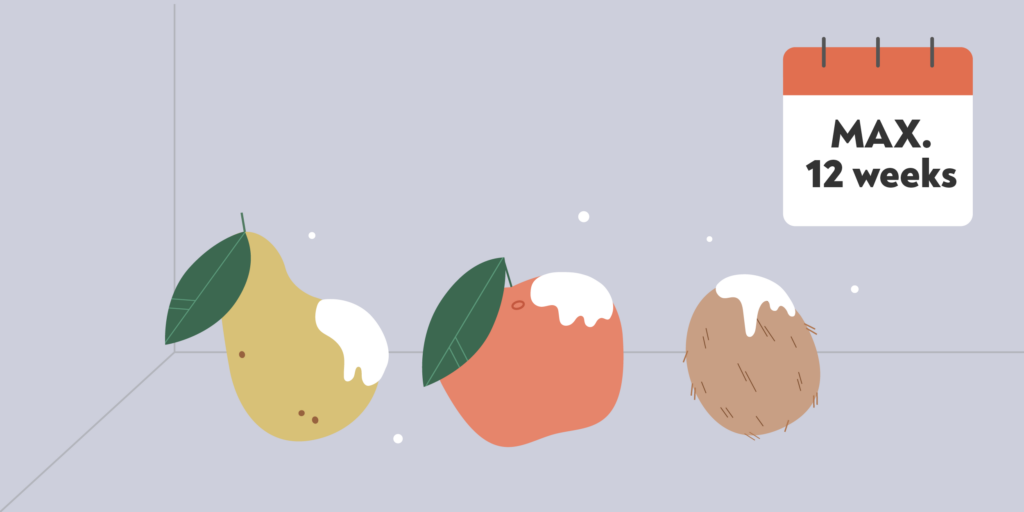
- In CrowdFarming we are committed to the seasons. Firstly, cold storage consumes energy, and secondly, products lose quality when stored for long periods of time. Fruits will not be stored for longer than the season they were harvested in – within a maximum of 12 weeks kept under cold storage – and therefore market them only within their season. (e.g. apples harvested in September may be sold during fall and exceptionally in early winter; during the months of September, October, and November).
Rest assured that, through these established conditions, you should receive your fruit in optimum condition. Should that not be the case, do not hesitate to open a claim. We are happy to report, however, that the incident rate of these fruits has remained low.
As always, it is a question of balance, weighing economic and environmental issues that may arise from cold storage and the answer is as multifaceted as the fruits we sell! But we are confident that the compromise we have found is the best solution in terms of the overall social and environmental impact, and is in any case an improvement of the status quo found in the traditional food supply chain.
References:
- Cozzi, L., Chen, O., & Kim, H. (2023, February 22). The world’s top 1% of emitters produce over 1000 times more CO2 than the bottom 1% – Analysis – IEA. International Energy Agency. https://www.iea.org/commentaries/the-world-s-top-1-of-emitters-produce-over-1000-times-more-co2-than-the-bottom-1
- European Commission. (2023). Food Waste. Language selection | Food Safety. https://food.ec.europa.eu/safety/food-waste_en
Written by Fran Aparicio

Fran Aparicio coordinates Regenerative Agriculture at CrowdFarming, which mostly means he spends his days trying to make farmers, scientists and data people agree on what “healthy soil” actually means. He lives somewhere between muddy boots and research papers, translating field reality into something you can measure (and hopefully improve).
Keep digging ...