
Published March 2026
COP 28 – What happened?
COP 28 concluded last month in Dubai, raising expectations and eyebrows alike. The event initially faced some scepticism given the number of lobbyists present and the position of the President of the COP (no less than the CEO of a major fossil fuel company). However, it finished with a distinct focus on transitioning away from fossil fuels and a welcomed spotlight on food systems. As we unpack the key takeaways, we find a nuanced blend of progress and limitations.
So, what was decided?
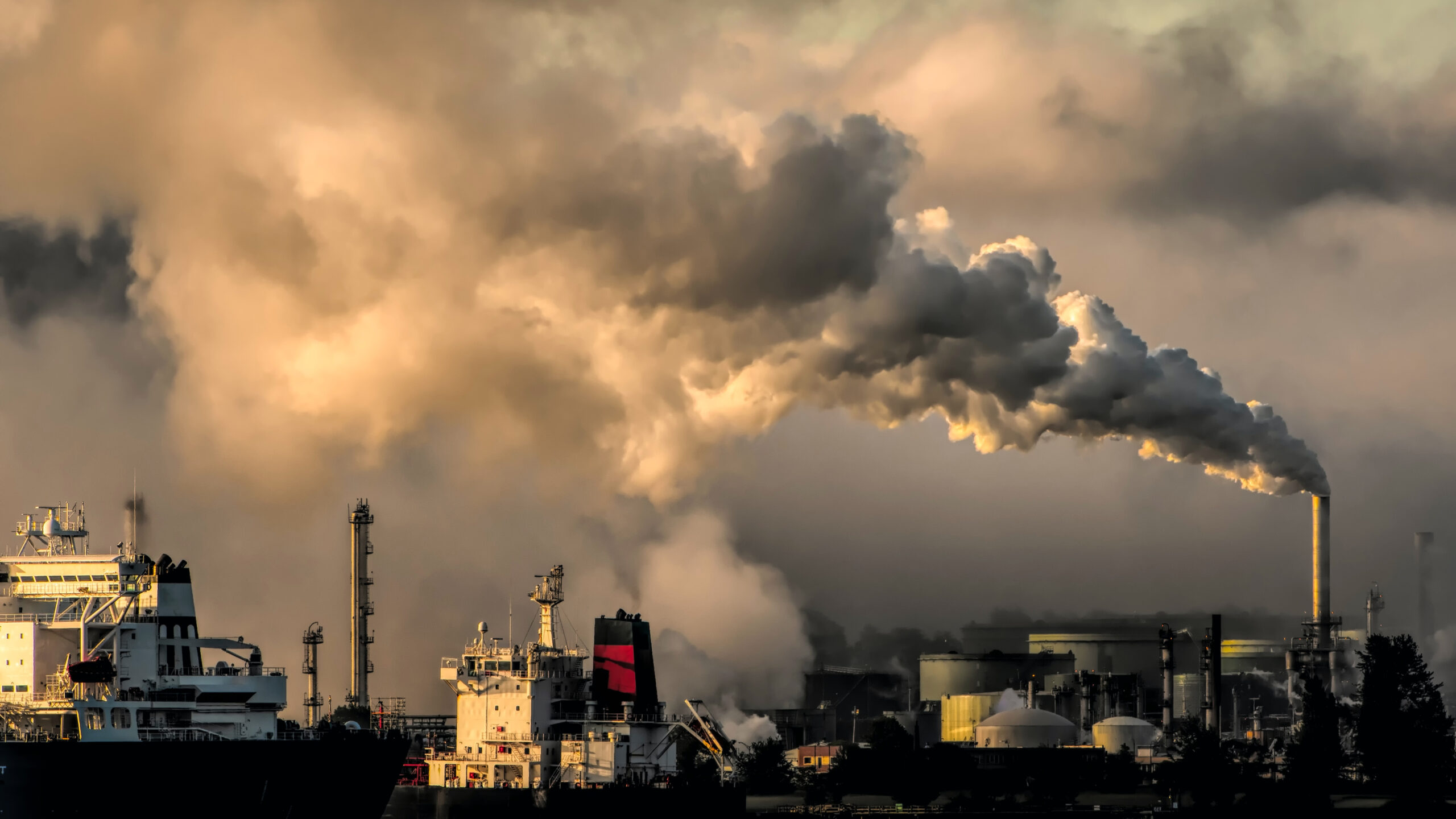
At the heart of COP 28 discussions was an unprecedented emphasis on moving away from fossil fuels. A significant acknowledgment, that had never been so explicitly discussed in previous COPs. The final agreement calls on countries to shift away from fossil fuel use for energy in order to reach net-zero emissions by 2050. After nearly 30 years of UN climate COPs, this is the first to specify the need for such a decline in the use of all fossil fuels, by far the biggest contributor to global warming.
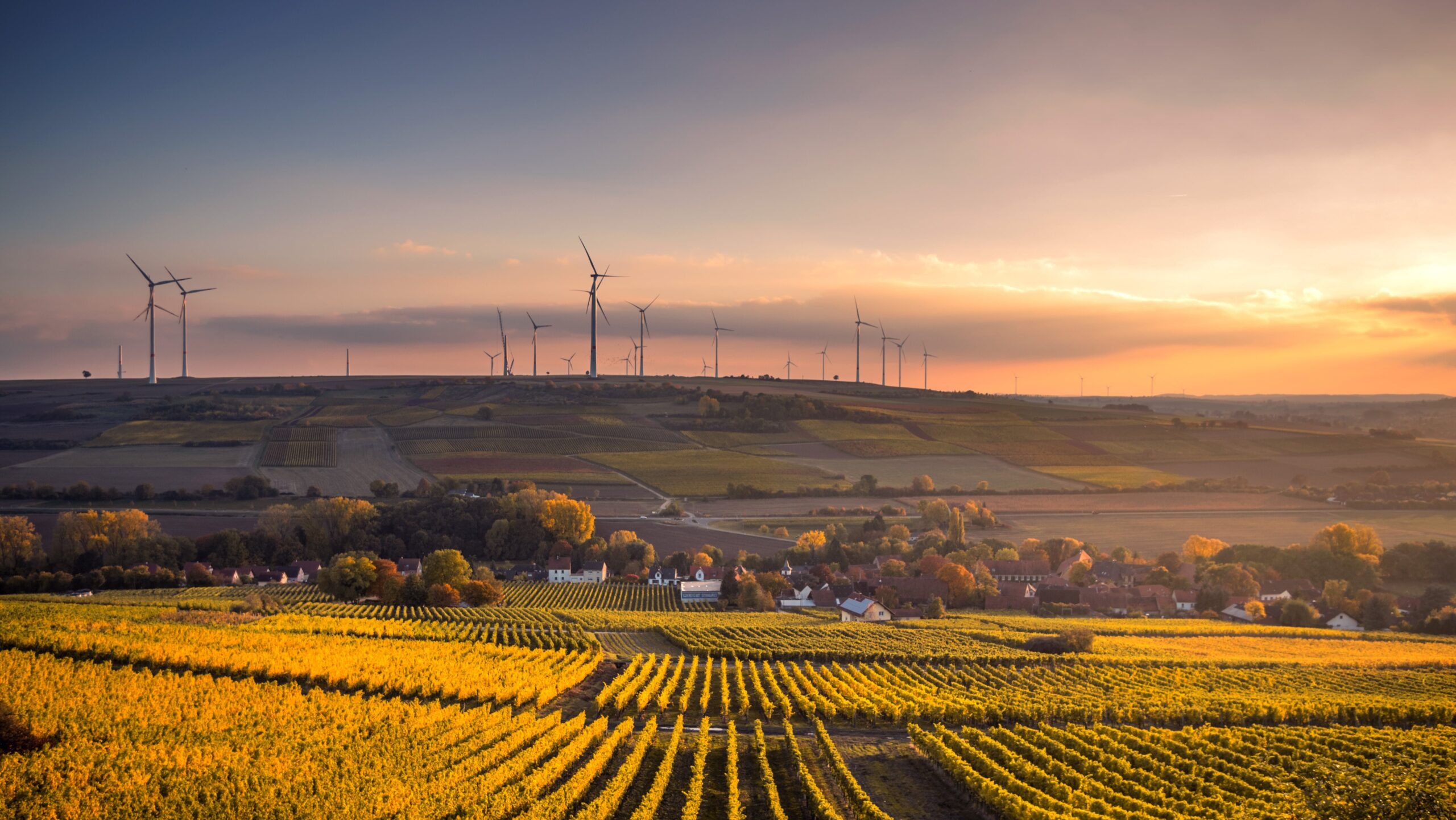
In terms of positive decisions reached, over 100 countries committed to tripling renewable energy, major players in the oil and gas sector committed to decarbonizing their direct emissions and taking significant steps towards reducing methane emissions, and over 100 countries signed a declaration to focus on the impact of food and land-use changes on carbon emissions.
Moreover, a long-sought climate loss and damage fund was approved as certain countries committed more than $400mn on day one in a move that has allowed the fund to get up and running, accompanied by billions of dollars in climate finance pledges from the public and private sector. This crucial measure aims to provide essential support to those currently grappling with the effects of climate change, enabling them to manage the crisis rather than becoming ensnared in a cycle of debt to address its consequences.
So, is it all good news?
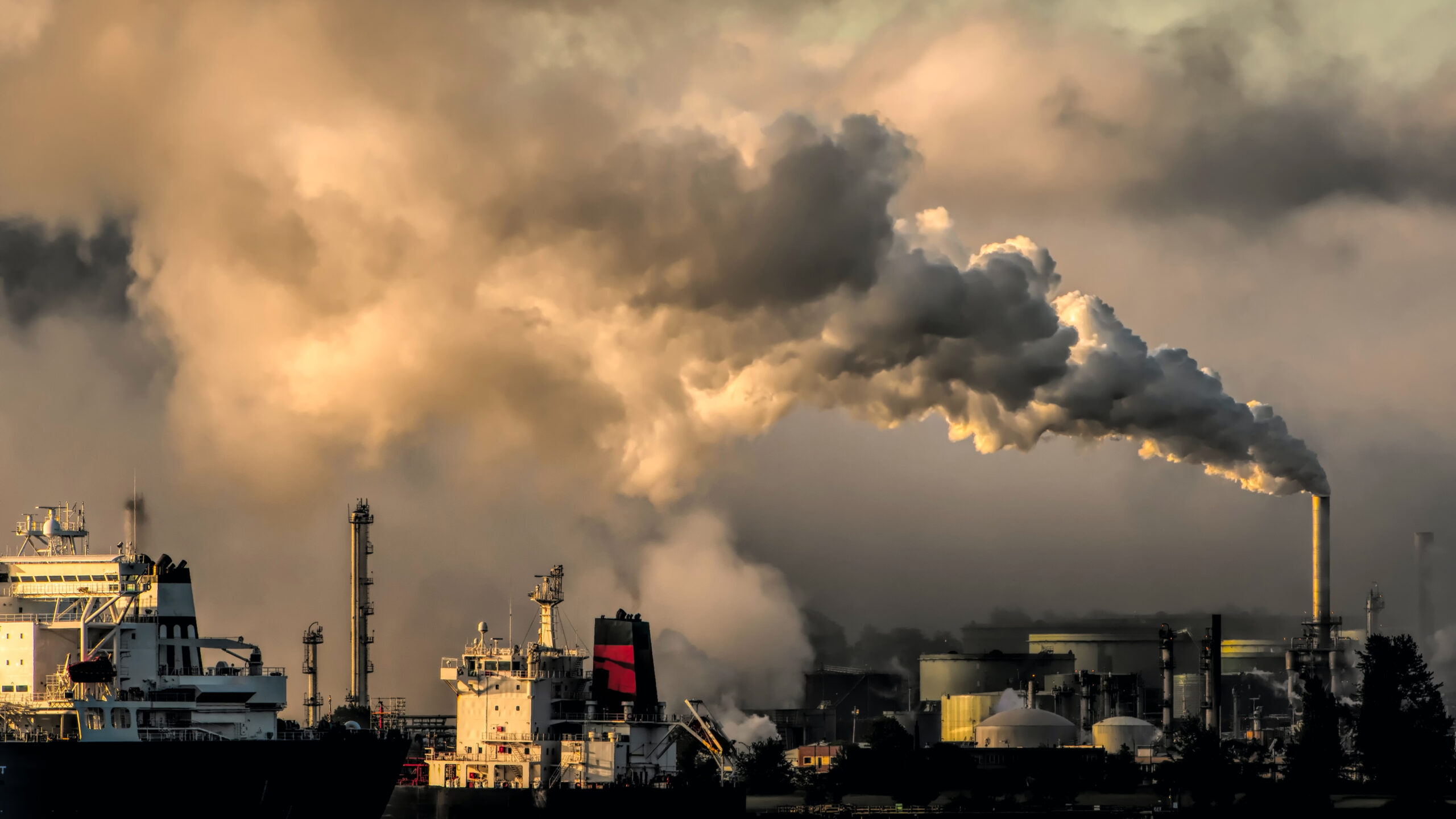
Although all this progress is hopeful, the absence of specific deadlines and timeframes raised a few concerns. Some critics argued that the declaration left room for many loopholes, as the commitment lacked concrete implementation plans. One of the barriers to meaningful progress was the notable presence of corporate interests at the conference, particularly from big lobbyists. Their influence posed challenges in steering discussions toward more actionable practices. Industry representatives were present in record numbers in Dubai – 2,456 delegates from the oil and gas sector, 475 from the carbon capture and storage (CCS) industry, more than 100 from agribusiness and many more from elsewhere.
What about agriculture?
In a surprising and necessary turn, we were pleased to see the COP 28 bring food systems to the forefront. Recognizing their substantial impact on climate change, the summit featured a sustainable agriculture declaration signed by over 130 countries. A whole day dedicated to food and agriculture outlined a roadmap by the UN’s Food and Agriculture Organization (FAO). The key take back for us is the clear need to accelerate regenerative agriculture:
Leading food and agriculture organizations committed to partnering with 3.6 million farmers to accelerate the transformation of over 160 million hectares (three times the land area of Spain) to regenerative landscapes, with an initial investment of $2.2 billion.
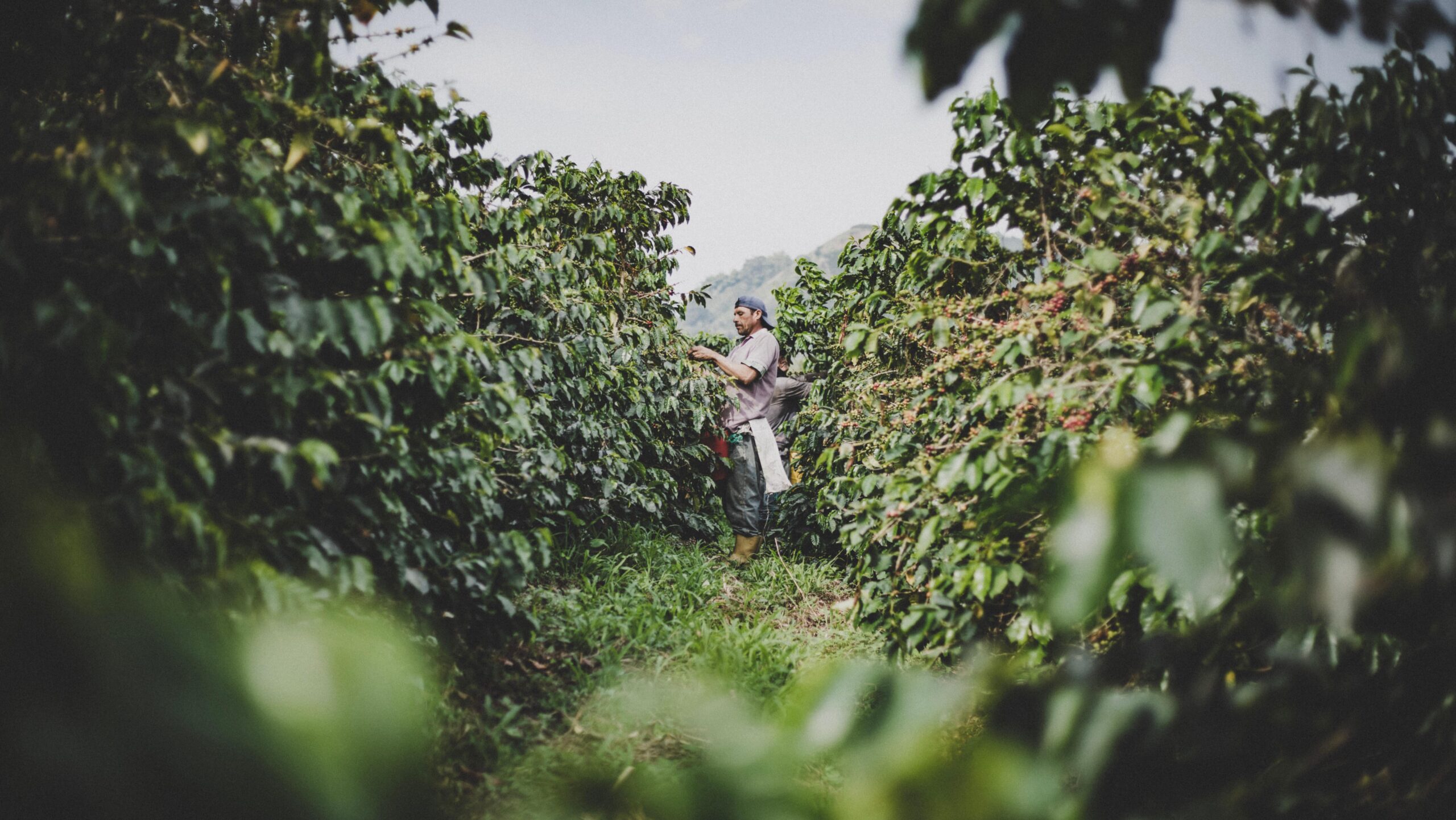
Regenerative agriculture, as we now know, is a key for agriculture to have a positive climate impact. Research in the EU has shown that a 20 percent increase in the number of farmers using regenerative techniques would lower emissions by 6 percent while boosting soil health and farmer incomes.
The increased focus on food at COP 28 marked a departure from past climate summits, acknowledging its significant role in greenhouse gas emissions. The sustainable agriculture declaration, a noteworthy opening move, emphasized the global commitment to integrating food and agriculture into climate plans.
The FAO’s roadmap outlined strategies to align global food production with climate goals, emphasizing the reduction of methane emissions from livestock and halving food waste emissions by 2030. Advocates hope that this non-binding roadmap will guide countries in integrating food systems into their climate goals and potentially unlock more funding for food sector-based solutions. While these announcements were substantial, the final agreement document faced criticism for not going far enough, with some seeing it as a missed opportunity to push for more concrete action on food systems. While corporate influence remains a concern, experts acknowledge the progress made in bringing food systems to the table and fostering a more inclusive conversation around sustainable agriculture.
What are we left with?
The conference achieved strides in acknowledging the urgency of climate action, particularly in fossil fuel reduction and sustainable food systems. However, the nagging concern persists that these steps might not be enough to meet ambitious climate goals. The delicate balance between intention and implementation remains, emphasizing the need for more decisive actions to address the accelerating climate crisis.
In the grand scheme of COP 28, progress and setbacks intertwine, painting a nuanced picture of collective efforts toward a sustainable future. The discussions on fossil fuels and food systems highlight the evolving landscape of climate negotiations, reflecting both the global commitment to change, and the challenges posed by vested interests. These meetings are frequently dismissed as hot air, and they cannot instantly change anything on the ground. But they normalise ideas and measures once seen as too radical to be globally agreed, such as the need to shift away from fossil fuels. However, COP cannot just be a place for announcements. Big announcements are only relevant if they are accompanied by accountability. As we reflect on COP 28, the road ahead calls for continued collaboration, transparency, and a steadfast commitment to translating intentions into meaningful actions.
Written by Emilia Aguirre
Emilia Aguirre is our Awareness & Advocacy specialist — which means she spends her days asking the uncomfortable questions about how our food is grown, priced, labeled, and sold. She hosts What The Field?!, a podcast packed with stories from the ground, hard-hitting research, and conversations with the people shaping the future of food (whether they like it or not).
Keep digging ...