
Published March 2026
German Farmers, pushed to the limits of austerity?
The agricultural landscape in Germany is currently marred by protests, mounting frustrations, and the ongoing struggle of farmers to contend with both government policies and the impacts of recent floods in the country.
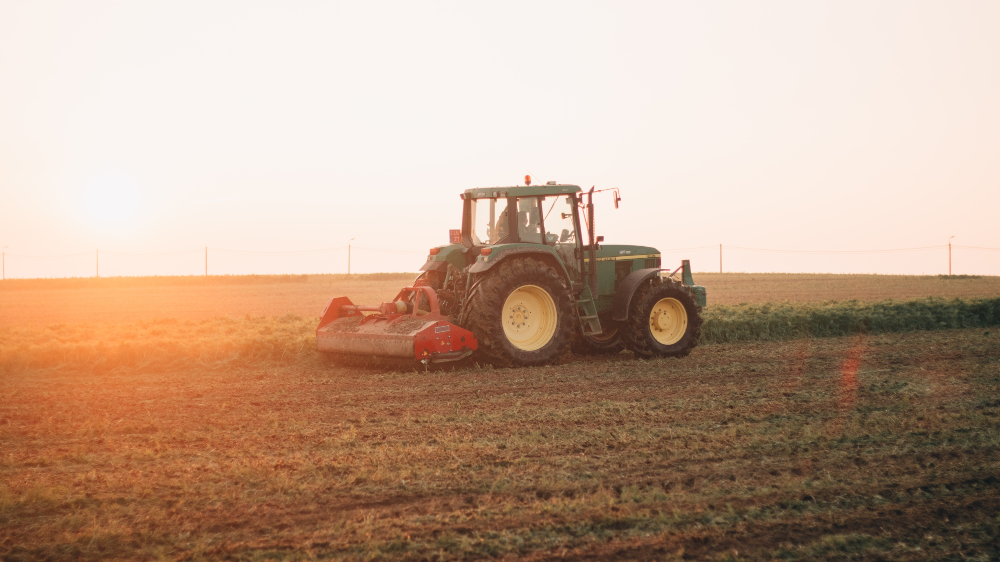
The head of the German Farmers’ Union, Joachim Rukwid, has called for nationwide strikes from January 8th to protest even after the initially planned removal of tax breaks for farmers was taken back. The government’s decision to cut diesel subsidies and tax breaks for agricultural vehicles as part of its 2024 austerity measures has sparked outrage among farmers, leading to widespread protests in Berlin and other German cities.
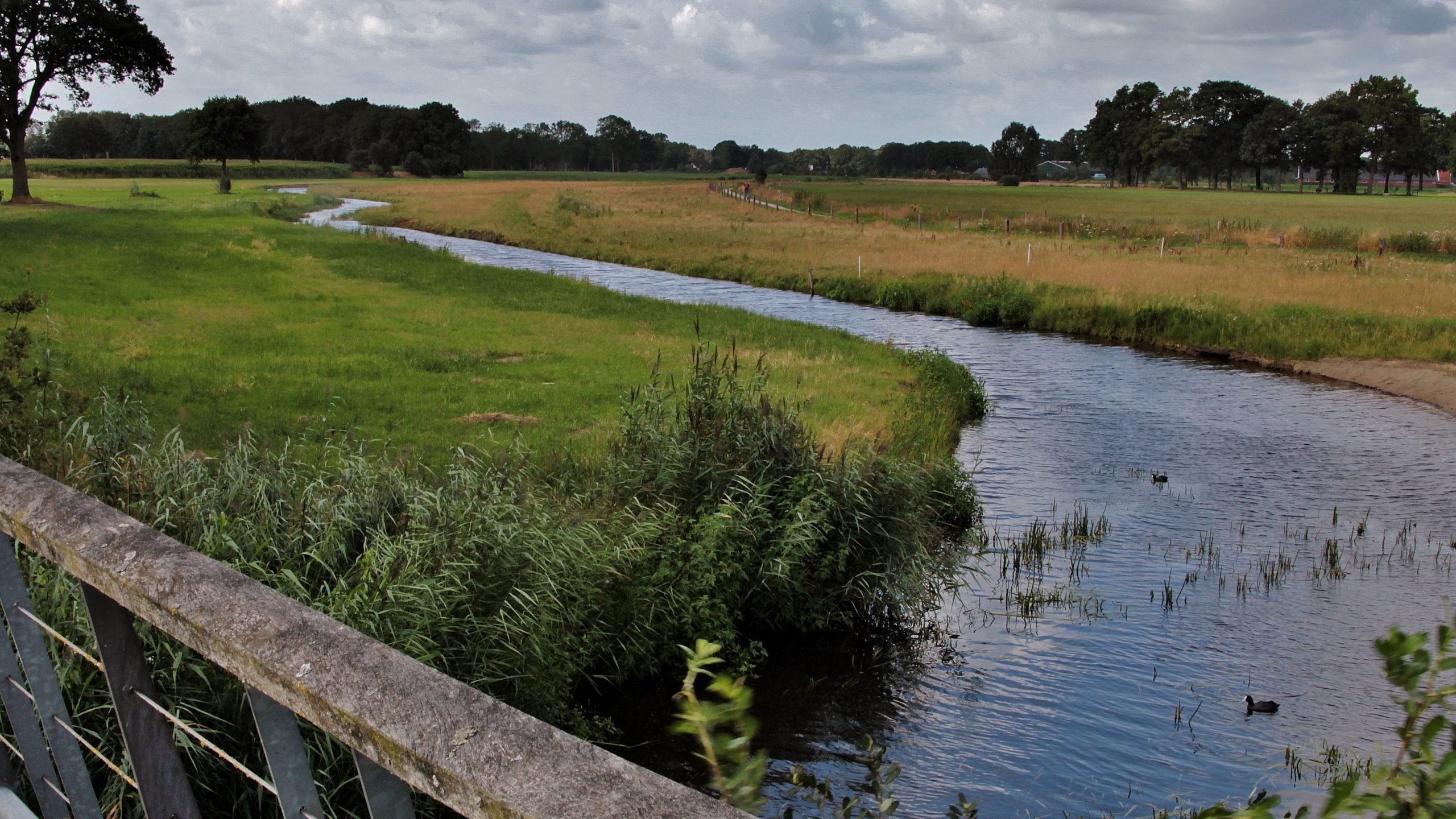
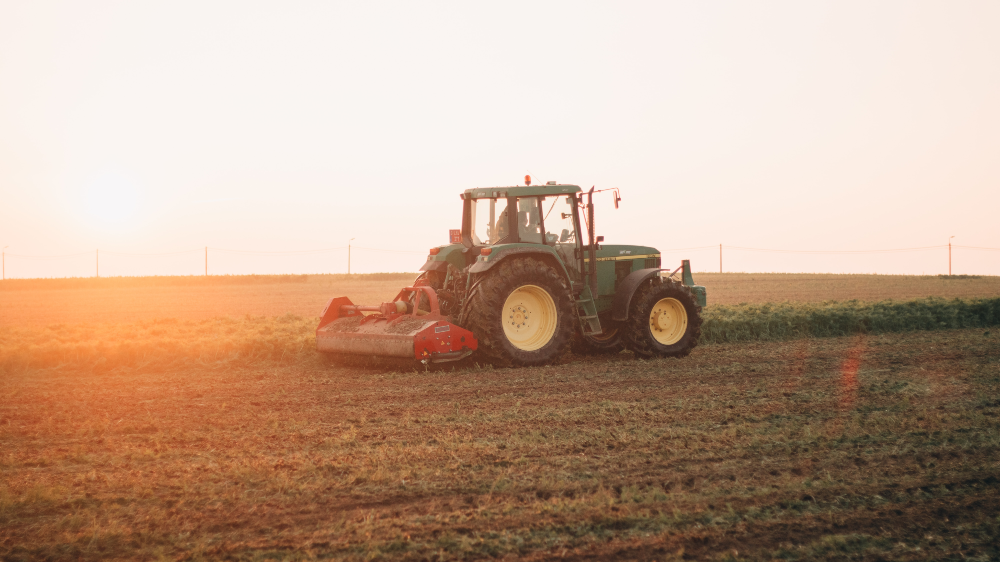
On top of this, recent floods, especially in the northern regions since December 23rd, have exacerbated the tension. As the fire brigade and related institutions work tirelessly to maintain dams and control flooding, farmers face not only immediate threats to their crops but also the long-term implications for their farms. Today, as rain turns to frost, the situation eases, but the burden on society remains palpable. Frozen streets and hundreds of tractors blocking roads in many German cities symbolize the shared struggle faced by farmers and the broader community.
Is More Pressure on German Farmers the Solution?
While the need to reduce carbon emissions and transition away from fossil fuels is undeniable (the country’s agriculture sector was responsible for 55.5 million metric tonnes of greenhouse emissions last year, roughly 7.4% of the country’s total), the question arises: is putting more pressure on German farmers the solution? The government’s idea to remove tax breaks and subsidies could have posed a severe threat to the livelihoods of farmers and the competitiveness of Germany’s agricultural sector. The planned strikes and demonstrations reflect the deep concerns within the farming community regarding these austerity measures, and tension has flooded into other topics such as increasing regulations.
Sönke, organic sweet potato farmer at CrowdFarming, voices through his social media the collective frustration that has built up over the years. He highlights a specific issue where farmers are required to set aside 4% of arable land since 2023 for species protection. While acknowledging the importance of conservation, he emphasizes the lack of sufficient financial compensation for the loss of yield. Sönke, like many others, is also troubled by the increased workload, exemplified by farmers being tasked with conducting field inspections themselves through apps and photo assignments.
German farmers have argued that increasing the financial and regulatory pressure on farmers by taking away subsidies could mean the end of many small family-owned farms across the country. It’s essential to acknowledge that if we end German farming abruptly, exports from abroad can only be facilitated through fossil fuels, since no real alternative is available.
Increasing Prices as an attempt to face Rising Costs and Extreme Weather
Contrary to the common perception that rising food prices benefit farmers, the reality is that farmers are not currently reaping the rewards of these increases. Prices have been soaring over the past seasons due to reduced harvests and escalating costs at the farm and supply chain levels.
Manuela, from Vulkanhof, dairy farmer at CrowdFarming, advocates for fair and stable producer prices, since farmers should rely more on their production rather than subsidies. Manuela finds value in initiatives like CrowdFarming, where direct sales allow a greater portion of the consumer’s payment to reach the farmer, contributing to the stability of farm incomes.
It is also necessary for consumers to actively support, or be incentivized to support, organic and regenerative farming. This ensures they refrain from opting for cheaper alternatives that may be detrimental to the environment or less equitable for producers.
The Intersection of Environmental and Economic Concerns
The proposed cuts in subsidies would have aimed not only to address economic challenges, but also to reduce greenhouse emissions in the agricultural sector. And here lies the challenge — we have created a system of subsidies at a European level as the easy way out of a broken system. But subsidies without a proper transition plan just cover the problem until we can no longer rely on them, and then the problem returns to the surface again.
Many agricultural and political researchers have long been calling for a restructuring of the agricultural subsidy system. As an example, the Arbeitsgemeinschaft bäuerliche Landwirtschaft (or “Association of Peasant Agriculture”) 6-point agricultural policy plan advocates fair price negotiations, animal welfare support, and subsidy redistribution to strengthen small and medium-sized farms.
Our goal through this article is to present an objective perspective on the challenges faced by German farmers as they navigate through protests, policy demands, and the impacts of extreme weather conditions, but, at the same time, we want to emphasize the pressing need for a collaborative approach in order to transition towards a sustainable and fair agri-food chain. We hope the government, environmental groups, farmers, and other key players in the agri-food supply take this opportunity to come together and find common ground that ensures a thriving agricultural sector while advancing the country’s sustainability goals.
Written by Cristina Domecq

Cristina Domecq is the Head of Impact at CrowdFarming. She operates where the boardroom, the field, and social conversations converge, convinced that the clues to fixing the food system are revealed in that intersection. Her goal is to achieve a behaviour change that sticks—a mission that only works if both farmers and consumers are truly on board.
Keep digging ...