Published March 2026
Is our food security being threatened by pesticide reduction?
As is often the case in times of crisis, we are currently facing the danger of going backwards instead of going forward. Case in point: the current discussion on the use of pesticides in the EU. Within its Farm to Fork framework, the EU is seeking to introduce a regulation to limit the use of chemical pesticides by 50% by 2030 but is faced with severe backlash from several of its member states and of course, the lobby behind the agrochemical industry.
What is the pesticide regulation proposal about?
The cause of all the fuss certain lobbies are making is a new regulation on the Sustainable Use of Plant Protection Products. In line with the Farm-to-Fork and Biodiversity strategies, this new regulation includes a proposal to cut the EU-wide use of synthetic pesticides by half and seeks to prioritize environmentally friendly pest control methods. Farmers are to be encouraged to embrace non-chemical ways of crop protection. The hope is that this measure will help to protect the environment and our pollinators – which are actually one of the most important players when it comes to ensuring food security – from the harmful effects of industrial forms of agriculture. One of the main reasons for introducing such a regulation is to fight the general decline of biodiversity, which is occurring faster than at any point in history. As many scientists have pointed out, land use change – the primary culprit being large-scale food production – is the main driver of the global biodiversity loss, causing as much as 30% of the decline.
Continued damage to the environment and loss of biodiversity will invariably result in not only the inability to grow food on our fields but also endanger human health. In addition, the Commission found that introducing measures such as the pesticide regulation and the consequent reduction of our environmental footprint would also “help mitigate the economic losses that we are already suffering due to climate change and biodiversity loss”.
So for society as a whole, it seems there is even a case to be made on purely economic grounds.
The food security issue
Russia’s war on Ukraine is, among other things, affecting the price of energy, synthetic fertilizers and grain, which is in turn affecting the agrifood industry. This is why the EU’s proposed regulation to cut down on pesticides is currently facing heavy criticism from some, claiming that the combination of these factors threatens our food security.
One of the loudest voices lobbying for the continued use of synthetical agrochemicals is Copa-Cogeca, the self-appointed EU farmers’ lobby group. Unsurprisingly, they of course do not necessarily represent family farms but rather agribusiness multinationals and the few big farm owners that profit from the current system, which is undeniably based on (over-)exploitation of both our soils and those that work it. Ironically, protecting our soils and ensuring their fertility is just the measure to ensure food security in the long-term.
The main issue with pesticide reduction is that it can also mean a reduction of food production per hectare. This is because the crops could be more vulnerable to pests and without the use of artificial fertilizers, plants tend to produce less, at least during the transition to organic.
To this we say: If we are so plagued by food security woes, why are we not trying to make the food supply chain more efficient? Why are we not focusing on reducing the tremendous amount of food waste our system is causing every year? One third of all the food we produce is wasted. One third!
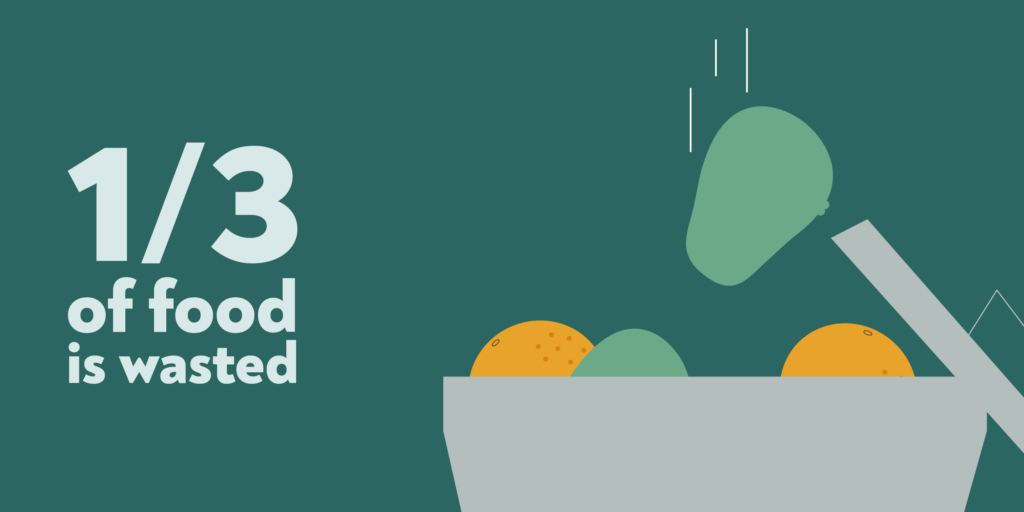
The amount of labor and resources – from water to energy – related to food loss and food waste is the real scandal when it comes to food production. We are throwing away tonnes and tonnes of food while people in other parts of the world are literally starving. And yet here we are, debating whether we should keep on degrading our soils and depleting our biodiversity for the sake of keeping up the overproduction. If we were focused on long-term food security instead, we would work towards a more resilient agriculture, to mitigate the adverse effects that climate change is already having on our lands.
Instead of worrying about how much food we can produce this year with the use of pesticides, the quicker action would be to investigate how much food we can prevent from ending up in the trash.
The price issue
The other big issue that is being raised is the price increase. As mentioned above, we are overproducing, which is why lowering production does not seem all that worrying. The price increase on the other hand, could hit much harder, especially because it could directly affect the access to fresh produce for low-income households. However, if we are only considering the short-term, we are failing future generations. If more and more soils are eroded and become infertile, we will produce even less food in the future, which would result in a much greater food crisis.
The inflation and rising prices is actually also affecting the price of pesticides and other agrochemical products – and these rising pesticide prices would also mean rising food prices, the more pesticides are used, the more the farmer needs to pay for them. The EU regulation could motivate farmers to completely forgo synthetic pesticides, giving them the courage to transition to organic farming. They would therefore be able to get better prices for their products.
Lastly and more philosophically, we need to ask ourselves whether the price for our food should really come at the price of our environment (and our farmers). After all, we need a healthy planet. Perhaps instead of looking for quick fixes through pesticide increases, we should be looking at why some incomes are so low that some people cannot afford to pay a fair price to the farmers.
PS: We will comment on the role of “factory-style” animal husbandry, which rightly often comes up in the question of food security, in a future article!
Written by Emmeline Hess

Emmeline es experta en comunicación, vocación que ha estado ejerciendo durante más de 9 años en empresas con enfoque en la sostenibilidad.
Esta nueva podcaster es una gran aficionada a la comida, una preocupada por el cambio climático (aspirante a guerrera) y le gusta una buena discusión casi tanto como los perros.
Keep digging ...